


The Science Behind Welding Sparks: What’s Really Happening
June 24, 2025
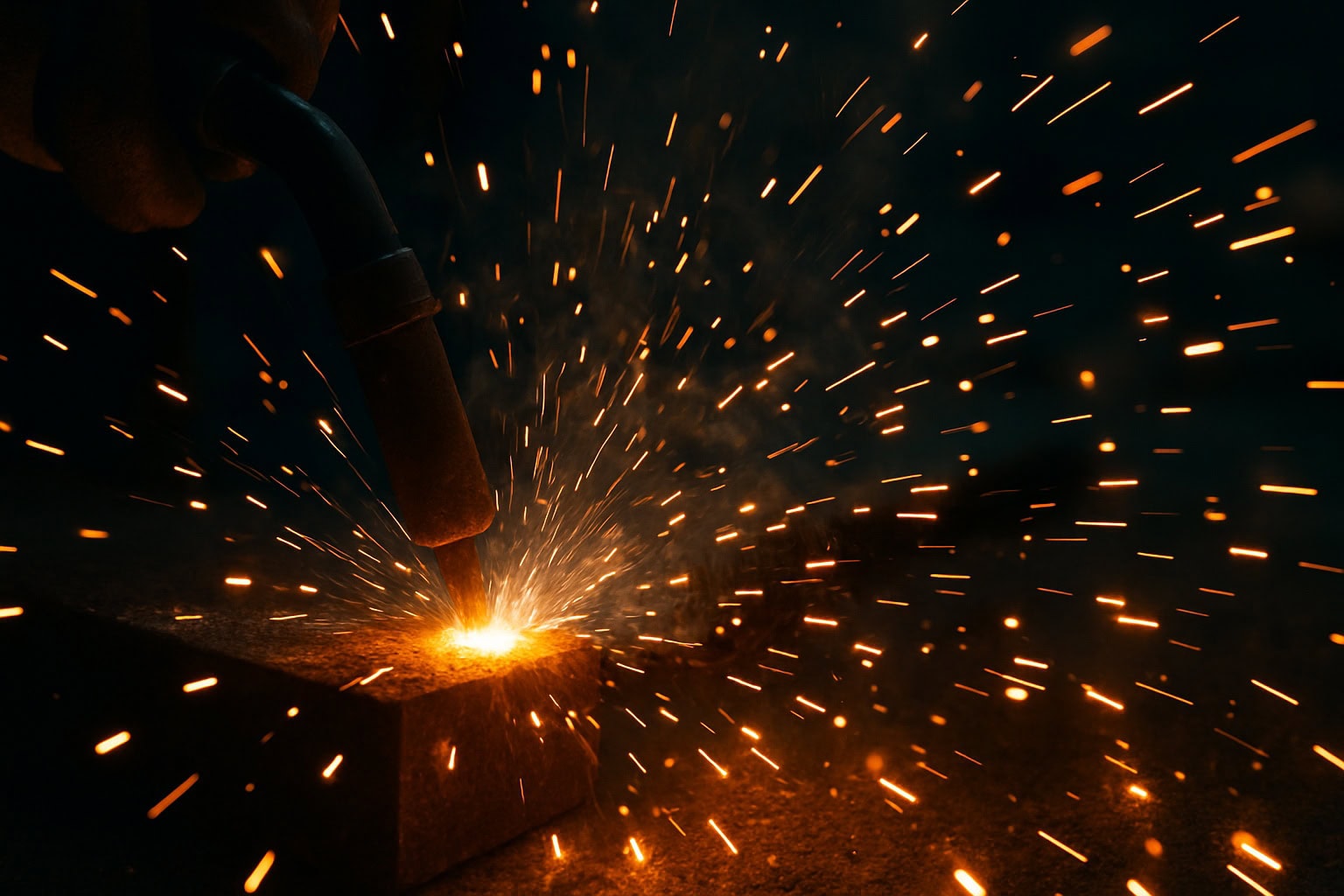
Welding sparks aren’t just a dramatic byproduct of the process — they’re a window into the fascinating science of heat, metal behavior, and oxidation. Understanding why sparks form and what they tell you can help improve your technique and achieve better results.
In this post, we’ll explore what causes welding sparks, how different factors influence them, and what they can reveal about your work.
What Are Welding Sparks?
At their core, welding sparks are small fragments of metal that melt, separate, and fly off due to the intense heat generated during welding. Depending on the material being welded — carbon steel, stainless steel, aluminum, and others — the composition of the sparks can vary. They might
include particles of base metal, filler material, or even surface contaminants.
Each spark represents a moment of heat, force, and chemical reaction, providing important insights into the welding environment.
Why Do Sparks Form?
During welding, temperatures can reach thousands of degrees within seconds. As the metal heats, it expands, melts, and occasionally boils. Molten bits are forced away from the weld pool, forming visible sparks. In processes that expose the weld to air, oxygen reacts with the hot metal almost instantly, adding energy to the sparks and making them brighter and more dynamic.
This combination of extreme heat, metal stress, and oxidation leads to the familiar shower of sparks many welders see during fabrication.
The Impact of Oxidation on Sparks
Oxidation plays a critical role in spark formation. When molten metal encounters oxygen, it reacts rapidly — much faster than the slow rusting process metals undergo at room temperature. This fast, high-energy oxidation adds intensity to the sparks, influencing their brightness, trajectory, and behavior.
Welding methods that use shielding gases, such as MIG or TIG, reduce the amount of oxygen exposure. As a result, these techniques generally produce fewer sparks compared to open-air processes like stick welding.
What Sparks Can Tell You
Careful observation of sparks can provide valuable real-time feedback:
- Yellow or Orange Sparks: Typically produced by iron-rich metals like carbon steel.
- White Sparks: Generally indicate higher temperatures and are more common with metals like stainless steel. Pure aluminum typically produces few visible sparks, but surface contaminants or extremely high heat can cause sporadic white sparks.
- Long, Streaming Sparks: Suggest a weld running hot and fast.
- Short, Bursting Sparks: May indicate low heat or contaminated material.
By monitoring spark characteristics, welders can adjust settings and technique without having to interrupt their work to inspect the weld bead.
Different Welding Processes, Different Sparks
The number and behavior of sparks vary significantly between welding processes:
- Stick Welding (SMAW): Produces abundant sparks and spatter due to the open arc and flux coating.
- MIG Welding (GMAW): Generates fewer sparks, thanks to shielding gases and controlled metal transfer.
- TIG Welding (GTAW): Yields very few sparks, owing to its precise, shielded arc and non-consumable tungsten electrode.
Understanding how each process influences spark production can help welders better control their work environment.
Insights from Slow-Motion Studies
High-speed video footage of welding reveals just how dynamic sparks truly are. Within milliseconds, a single spark can fracture, oxidize, and break apart, resembling a miniature meteor shower. These insights highlight the complexity of the welding process and underscore the importance of proper technique and control.
Practical Tips for Welders
Paying attention to sparks can help improve the quality of your welds:
- Excessive Sparks: May signal too much heat or dirty material.
- No Sparks: In some cases, especially with TIG welding, a lack of sparks indicates excellent arc stability and effective shielding. However, if expected sparks are absent in stick or MIG welding, it may signal arc instability, improper settings, or shielding gas issues.
- Unusual Colors: Might suggest contamination or improper settings.
As you pay closer attention to spark behavior to refine your technique, it’s equally important to remain mindful of safety precautions. Always prioritize safety: Sparks can pose fire hazards and personal injury risks. Wear appropriate protective gear and maintain a clean, safe work environment.
Conclusion
Sparks are more than just a visual spectacle — they are a useful tool for understanding what’s happening during a weld. By recognizing how and why sparks form, and what they indicate, you can refine your skills and produce better, stronger welds.
For more welding tips, high-quality equipment, and expert advice, trust Vern Lewis Welding Supply — your partner in welding excellence.
Join Our Newsletter
Sign up for our newsletter to receive specials offers, product updates, and more!
Recent Posts
-

Are Battery-Powered Welders Reliable?
February 26, 2026
-
Welding Wire 101: Solid vs. Metal-Core vs. Flux-Core
February 21, 2026
-
Why Is Preheating or Post-Heating Sometimes Necessary in Welding?
November 3, 2025