

Choosing the Best Filler Metal for Your Welding Project
October 20, 2025
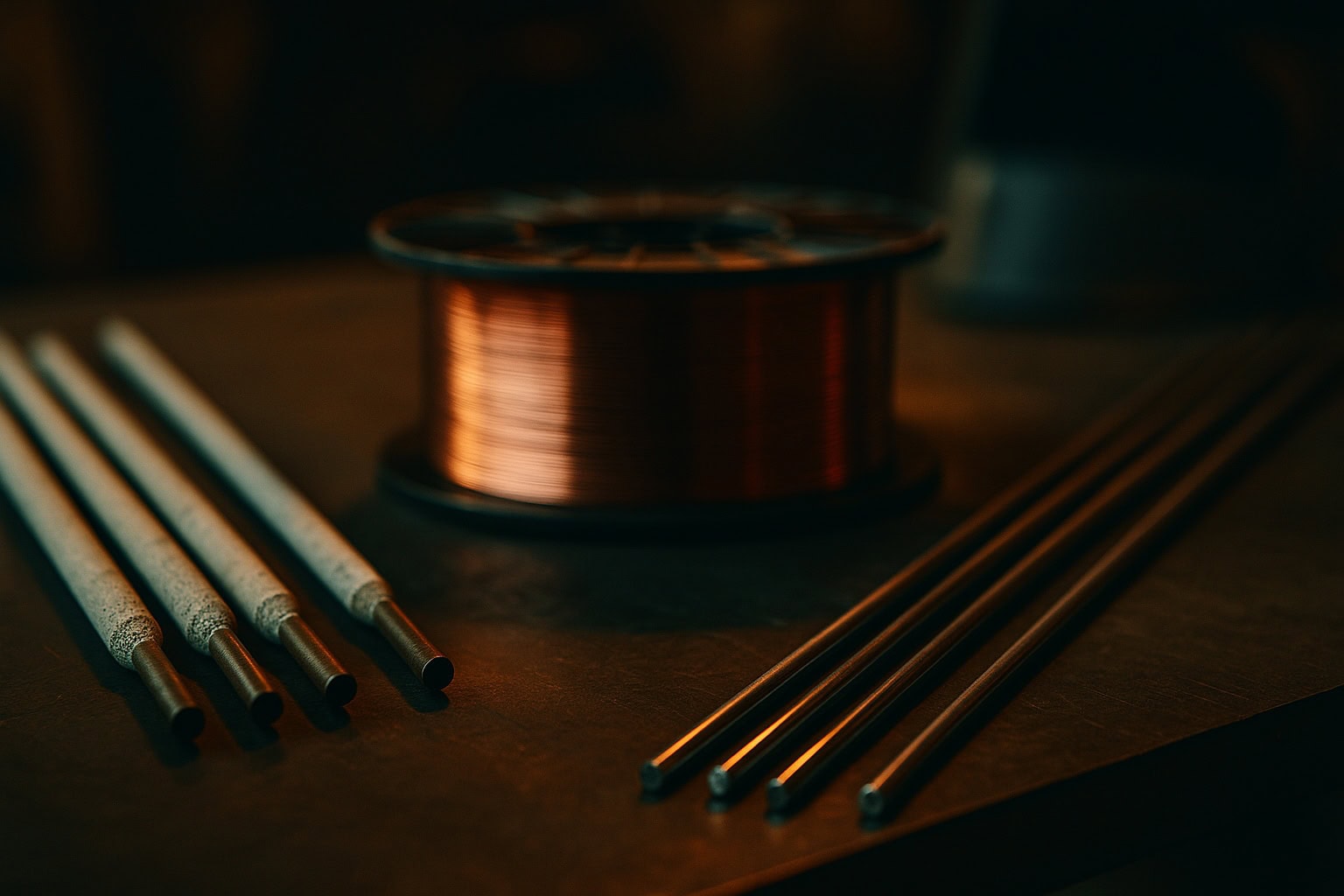
Choosing the right filler metal isn’t just a technical step — it’s one of the most important decisions that determines whether your weld will hold strong or fall short. The wrong filler can lead to porosity, cracking, or poor fusion. The right one can boost weld performance, reduce rework, and save you time and money.
In this post, we’ll walk through the key factors that go into choosing the right filler metal — and help you avoid some of the most common mistakes welders make.
Start With the Base Metal
Before you think about filler options, take a closer look at the metal you’re welding.
Whether it’s carbon steel, stainless steel, aluminum, or a more specialized alloy, each material reacts differently to heat and cooling. Using the wrong filler can cause weak joints, rapid corrosion, or even total weld failure.
If you’re not sure about your base metal, you can use a spark test, check the mill certificate, or bring a sample to a supplier or welding expert. Identifying it correctly is always step one.
Match the Strength and Performance
Once you know the base metal, take a step back and assess the bigger picture. Consider the working environment, the stresses the part will endure, and the conditions under which the weld must perform. Put simply, visualize the real-world conditions your weld will encounter once in service:
- Strength — Match or slightly exceed the base metal’s strength.
- Flexibility — For parts subject to vibration or movement, choose a filler that won’t crack under stress.
- Corrosion resistance — In stainless or aluminum applications, mismatched filler can cause premature rust or pitting.
- Post-weld treatment — If the job needs stress relief or heat treatment, the filler must be compatible.
Tip: Industry classification systems give you a quick way to check a filler’s strength, position usability, and special properties.
Choose Based on the Welding Process
Before you settle on a filler, remember that the welding method you choose plays a huge role in narrowing down your options. Different welding processes call for different types of filler, and each process comes with its own benefits, limitations, and compatibility factors:
- MIG welding — Uses wire on a spool, either solid or flux-cored.
- TIG welding — Uses bare filler rods added manually to the weld pool.
- Stick welding — Uses coated electrodes with varying strength, penetration, and usability.
Even within the same metal type, welding position (flat, vertical, overhead) can affect filler choice. Some are designed for all positions, while others are better for specific setups.
Check for Code or Job-Specific Requirements
In professional settings, you may need to follow a Welding Procedure Specification (WPS) or a governing code for structural, pipeline, or pressure vessel work.
These documents often specify exactly which filler metals are approved. Using something different — even if it works — can lead to failed inspections or loss of certification. Always double-check before you weld.
Avoid Common Filler Metal Mistakes
Even experienced welders can fall into habits that compromise the quality of their work. Being aware of these pitfalls will help you spot and prevent issues before they affect the finished product:
- Using one “catch-all” filler for every job, regardless of material or position
- Welding on dirty or coated metal, which can cause porosity
- Ignoring joint fit-up, which affects how well the filler fuses with the base metal
- Skipping test welds when trying new materials or filler types
Even the best filler can produce weak results if preparation, settings, or conditions are wrong.
Final Thoughts: Make Filler Selection a Habit, Not a Guess
Choosing filler metal isn’t just part of setup — it’s part of making better welds every time. Matching the right filler to your base metal, process, and project needs will give you stronger, cleaner, and more reliable results.
When in doubt, get advice from a welding supplier or experienced welder. Vern Lewis Welding Supply carries filler metals for every process and project, and our team can help you make the right choice the first time.
Join Our Newsletter
Sign up for our newsletter to receive specials offers, product updates, and more!
Recent Posts
-

-
A Simple Guide to Welding Heat Input
July 1, 2026
-