

Organizing Your Welding Shop for Maximum Efficiency
March 11, 2026
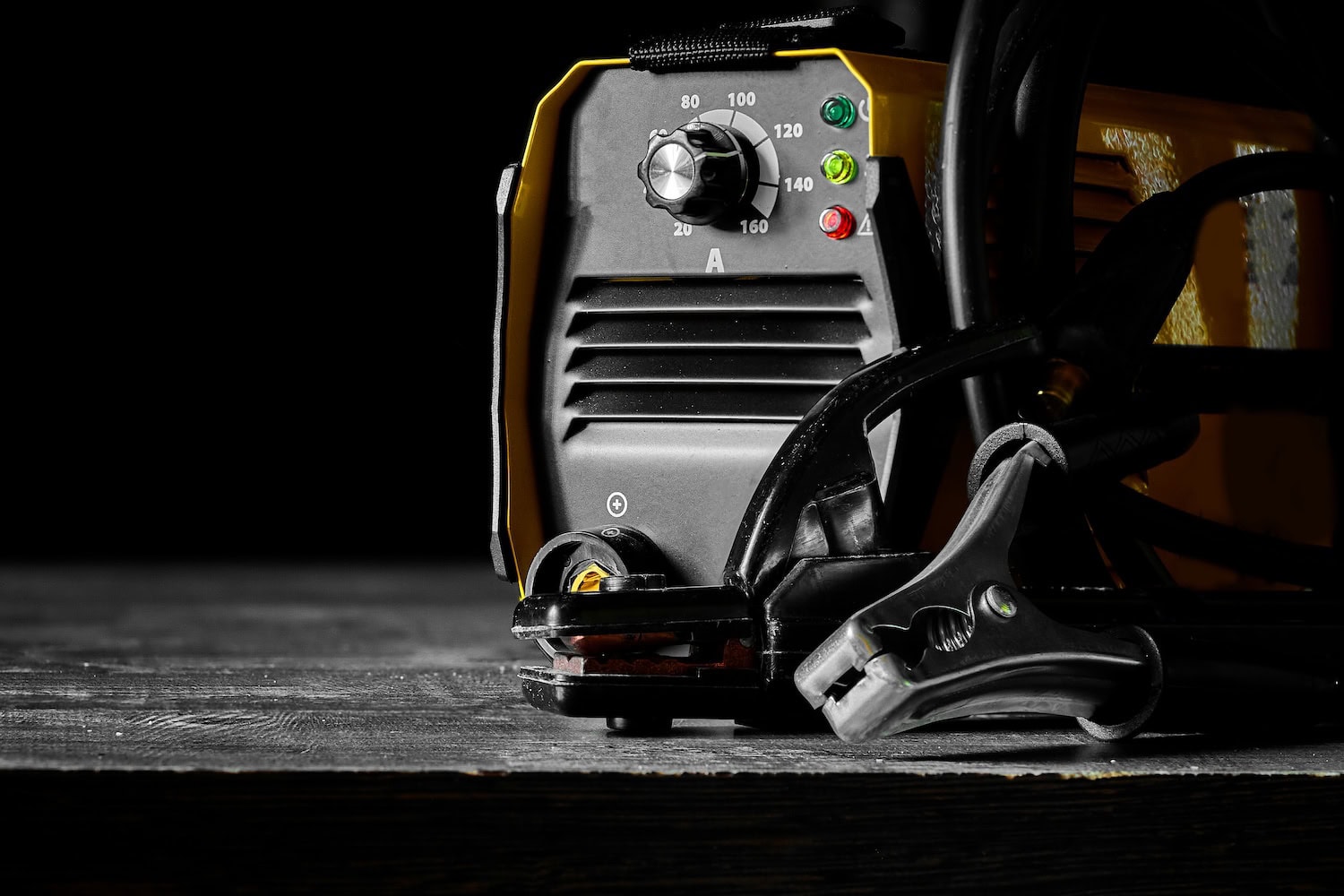
In a well-run welding shop, everything has a place and a purpose. Tools get picked up, used, and returned without a second thought. Materials move efficiently from cutting to fit-up to final weld. That kind of smooth workflow isn’t luck—it’s the result of thoughtful organization. When your shop is set up right, it saves time, reduces errors, and keeps projects running smoothly.
Whether you’re running a large fabrication space or a one-person garage shop, a clean, efficient layout makes welding smoother and safer. In this post, we’ll explore smart strategies to organize your welding space for better productivity, fewer headaches, and a shop that just works.
Create a Logical Shop Layout
Before anything else, think about flow. Your workspace should support how a job moves from start to finish.
Set up your shop in zones:
- Material prep (cutting, grinding, cleaning)
- Fit-up and welding
- Finishing and inspection
- Storage and inventory
Keep frequently used machines, tools, and consumables in easy reach of each zone. For example, place grinders near your cutting table, and welding clamps near your main bench. Avoid crisscrossing paths that force you to carry heavy parts back and forth. The less backtracking, the better.
Even in tight spaces, you can maximize flow with mobile carts, folding tables, or a simple pegboard setup.
Prioritize Tool Access and Visibility
Lost tools don’t just waste time — they break focus and momentum. That’s why tool storage should be clear, labeled, and close to where the work happens.
Use:
- Shadow boards or pegboards for commonly used hand tools
- Drawer organizers for small parts, like tips, nozzles, and fasteners
- Wall-mounted racks for clamps, squares, and angle finders
Avoid piling tools in drawers or stacking them in hard-to-reach places. If you can’t see it, you won’t use it. And always return tools to the same spot — it’s a habit that saves time every single day.
Manage Materials and Scrap Smartly
Raw steel, filler rods, and scrap all need their own home. Leaving materials on the floor not only clutters your shop — it creates tripping hazards and slows you down.
Try this:
- Use vertical racks for long steel stock and pipe
- Label bins or shelves by size or material type
- Keep scrap organized for quick prototyping or practice welds
If you work with aluminum, stainless, and carbon steel, store them separately to avoid cross-contamination. Clean material, clean welds.
Keep Safety and Cleanliness Front and Center
An efficient shop is also a safe one. Good organization means fewer fire risks, fewer chemical exposures, and fewer rushed mistakes.
Place safety gear where you need it:
- Fire extinguisher near the welding area
- PPE station with gloves, jackets, helmets, and safety glasses
- Ventilation or fume extraction over or near the welding zone
Make cleanup part of your routine, not a once-a-week chore. Sweep regularly, empty the trash, and keep cords and hoses coiled and out of walkways.
Practical Shop Tips
Here are some fast ways to improve your shop today:
- Label shelves, drawers, and bins clearly with bold text
- Mount a whiteboard or clipboard to track project progress or supply lists
- Use color-coded bins or tape to mark different zones or materials
- Invest in rolling carts for moving tools or welders across the shop
- Set a 5-minute timer at the end of each shift to reset your space
Conclusion
A well-organized welding shop doesn’t just look good — it works better. It helps you stay focused, reduces clutter, and keeps your tools and materials right where you need them. Whether you’re handling big projects or just tuning up a hobby weld, a clean and efficient layout makes the job smoother from start to finish.
Join Our Newsletter
Sign up for our newsletter to receive specials offers, product updates, and more!
Recent Posts
-

Are Battery-Powered Welders Reliable?
February 26, 2026
-
Welding Wire 101: Solid vs. Metal-Core vs. Flux-Core
February 21, 2026
-
Why Is Preheating or Post-Heating Sometimes Necessary in Welding?
November 3, 2025