


Welding Metallurgy: How Heat Affects Different Alloys
May 9, 2025
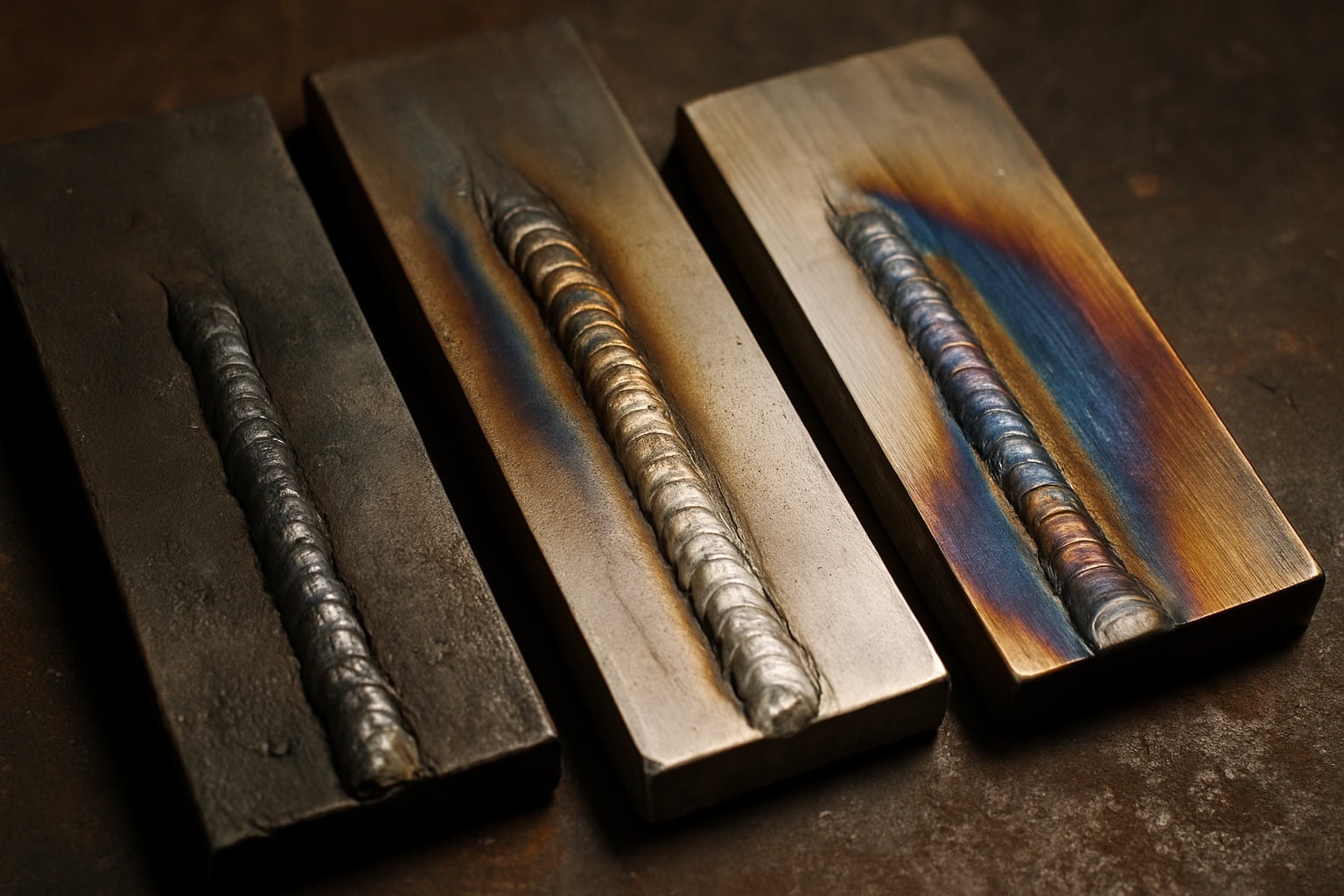
Welding metallurgy is the science behind how metals behave during welding. Understanding how heat impacts different alloys is crucial for producing strong, reliable welds. Without this knowledge, welders risk creating weak joints, cracking, and other costly problems.
In this post, we’ll explore how different metals react to welding heat, and how you can adjust your techniques to get the best results.
The Basics of Heat and Metal Behavior
When metals are heated, their internal structures change. Heat can alter the grain size, strength, and ductility of a material. One critical area to consider is the heat-affected zone (HAZ) — the region around the weld that isn’t melted but has experienced enough heat to change its properties. Cooling rates are just as important; cooling too quickly can create hard, brittle microstructures like martensite, while cooling too slowly can lead to grain growth and weakness.
Key terms to know:
- Melting point: The temperature at which a metal becomes liquid.
- Heat-Affected Zone (HAZ): The area surrounding the weld that has undergone thermal changes.
- Grain growth: The enlargement of crystals within the metal, which can weaken it.
Common Alloy Groups and Their Heat Responses
Carbon Steels: Widely used but prone to brittleness when exposed to welding heat. Heating can
form hard, brittle microstructures. Preheating and post-weld heat treatments (PWHT) help control cooling rates and reduce the risk of cracking.
Stainless Steels: Known for corrosion resistance, but improper welding can cause “sensitization,” leading to chromium carbide formation and a loss of corrosion protection. Managing heat input and using low-carbon grades can preserve stainless steel’s integrity.
Aluminum Alloys: With a low melting point and high thermal conductivity, aluminum is challenging to weld. It oxidizes rapidly, so cleaning before welding is crucial. Precise heat control and techniques like TIG welding are essential for success.
Nickel Alloys: Valued for strength at high temperatures but susceptible to hot cracking. Careful heat input control and correct filler material selection are vital.
Titanium Alloys: Highly reactive at elevated temperatures, titanium can absorb gases like oxygen and nitrogen, leading to embrittlement. Proper shielding with inert gases and low-heat input welding methods are necessary.
Key Factors That Influence Heat Effects
Several factors determine how heat affects a weld:
- Welding process type: Different methods (MIG, TIG, Stick) introduce heat differently.
- Filler materials: Matching the filler to the base material helps prevent weak joints.
- Welding parameters: Amperage, voltage, and travel speed all control heat input.
- Joint design and fit-up: Good fit-up minimizes unnecessary heat buildup and helps distribute heat evenly.
Techniques to Minimize Negative Heat Effects
To reduce heat-related problems, welders can:
- Preheat and post-heat: Especially important for carbon steels to control cooling rates.
- Control cooling: Use insulation or slow cooling methods to avoid unwanted hardness or cracking.
- Use proper shielding: Essential for metals like titanium and aluminum to prevent oxidation.
- Choose the right welding method: Tailor your process to the specific alloy you’re working with.
Practical Tips for Welders
- Watch for signs of heat damage, like discoloration, cracking, or warping.
- Always use filler metals recommended for the base material.
- Stay up-to-date with industry certifications and standards to ensure best practices. To deepen your knowledge of welding metallurgy, check out AWS’s excellent Metallurgy course.
Conclusion
Understanding how heat affects different alloys is essential for achieving strong, durable welds. Welding metallurgy isn’t just for engineers — it’s practical knowledge that helps every welder produce better work.
Keep learning, stay curious, and remember: for the best tools, materials, and advice, Vern Lewis Welding Supply has you covered.
Join Our Newsletter
Sign up for our newsletter to receive specials offers, product updates, and more!
Recent Posts
-
Why Metals Crack After Welding (and How to Stop It)
March 25, 2026
-
Organizing Your Welding Shop for Maximum Efficiency
March 11, 2026
-

Are Battery-Powered Welders Reliable?
February 26, 2026