


Welding Wire 101: Solid vs. Metal-Core vs. Flux-Core
February 21, 2026
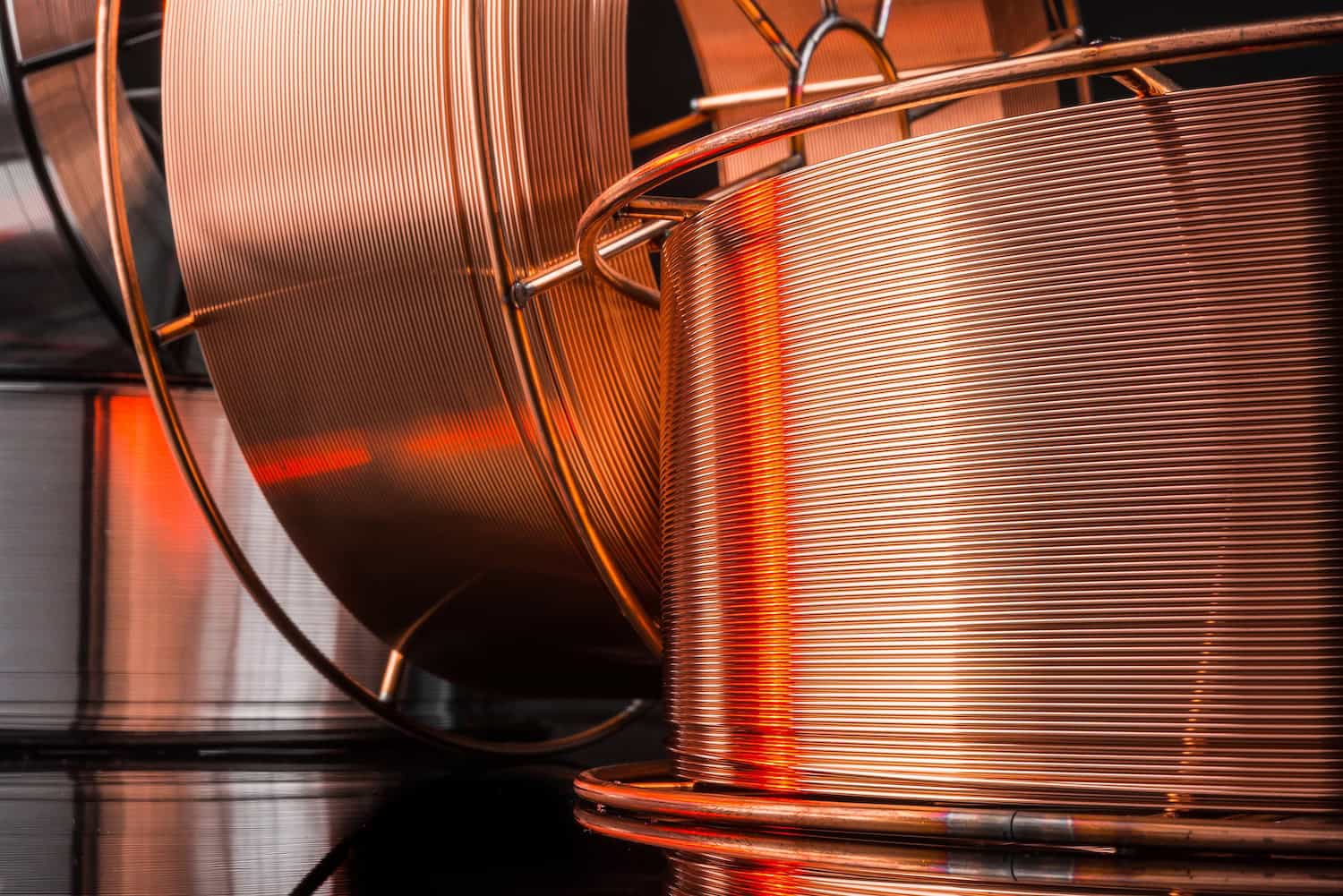
Whether you’re laying down bead after bead in a shop or making critical repairs out in the field, the wire you choose plays a big role in the outcome. It affects everything — from arc performance and weld strength to cleanup time and operating cost. But with so many wire types available, how do you know which is right for the job?
In this post, we’ll break down the three most common types of welding wire — solid, metal-core, and flux-core — and explore when each shines, what it costs to run, and how to match your choice to your workflow.
Solid Wire — Clean, Consistent, and Cost-Effective
Solid wire, like ER70S-6, is a go-to option for MIG welding. It’s smooth-feeding, burns cleanly, and performs best on clean, mild steel.
When it shines:
- Light- to medium-gauge steel fabrication
- Indoor shop environments
- Automated or semi-automated welding setups
- Clean metal with minimal rust, oil, or scale
Pros:
- Low spatter and minimal cleanup
- Affordable per-pound cost
- Easy arc starts and smooth operation
Cons:
- Requires shielding gas (typically 75/25 Argon/CO₂)
- Not great for dirty or rusty metal
- Limited use outdoors due to gas disruption
Cost per foot of bead:
While solid wire is budget-friendly, don’t forget to include gas in your calculations. Most setups average around $0.03–$0.06 per foot, depending on travel speed and wire diameter.
Metal-Core Wire — High Speed and Heavy Duty
Metal-core wire is a tubular wire packed with powdered metals. It offers high deposition rates, great arc stability, and faster travel speeds — making it ideal for high-volume production.
When it shines:
- Welding thicker materials (3/16″ and up)
- High-speed fabrication and automation
- Jobs requiring low spatter and high deposition
- Semi-clean surfaces (light rust or scale okay)
Pros:
- Very fast deposition
- Little to no slag
- Handles minor surface contamination
- Excellent for robotic and flat-position welding
Cons:
- Requires shielding gas (commonly 90/10 Argon/CO₂)
- Higher per-pound wire cost
- Not ideal for vertical or overhead welding
Cost per foot of bead:
Despite the higher upfront cost, efficiency offsets much of it. Expect $0.05–$0.09 per foot, which often pays off in reduced labor time and increased productivity.
Flux-Core Wire — Built for Field and Flexibility
Flux-core wire (FCAW) contains internal flux that shields the weld. It comes in two types: self-shielded, which needs no gas, and gas-shielded, which performs better but still requires external shielding.
When it shines:
- Outdoor or windy conditions
- Structural steel, repairs, and field welding
- Dirty or poorly prepped base metal
- All-position welding when needed
Pros:
- Excellent penetration on thicker material
- Great for remote work — no gas required (self-shielded)
- Tolerates rust, mill scale, and paint
- Strong, durable welds
Cons:
- More spatter and slag than other types
- Requires post-weld cleanup
- Heavier machines and higher fume output
Cost per foot of bead:
Even with the higher wire cost, skipping the gas can balance things out. Most flux-core wires run $0.06–$0.12 per foot, depending on wire type and feed settings.
Quick Tips — Matching Wire to the Job
Use these at-a-glance guidelines to make the right choice:
- Working outdoors? Go with self-shielded flux-core.
- Clean shop work? Solid wire keeps things simple and clean.
- Production welding? Metal-core helps maximize speed and efficiency.
- Need all-position flexibility? Flux-core covers your bases.
- Always calculate the true cost. Include shielding gas, cleanup, and deposition rate — not just wire price.
Conclusion
Each type of welding wire brings different strengths to the table. Solid wire is affordable and clean for shop work. Metal-core delivers serious speed and deposition for heavy-duty jobs. Flux-core is rugged, portable, and ready for real-world conditions.
There’s no universal best — just the right wire for your specific job. If you’re unsure which to use or want help dialing in your setup, stop by your nearest Vern Lewis Welding Supply location. Our team can help you match wire type to your machine, material, and budget.
Join Our Newsletter
Sign up for our newsletter to receive specials offers, product updates, and more!
Recent Posts
-
Organizing Your Welding Shop for Maximum Efficiency
March 11, 2026
-

Are Battery-Powered Welders Reliable?
February 26, 2026
-
Why Is Preheating or Post-Heating Sometimes Necessary in Welding?
November 3, 2025