


Welding Outside: How to Deal With Wind, Weather, and Dirt
April 21, 2026
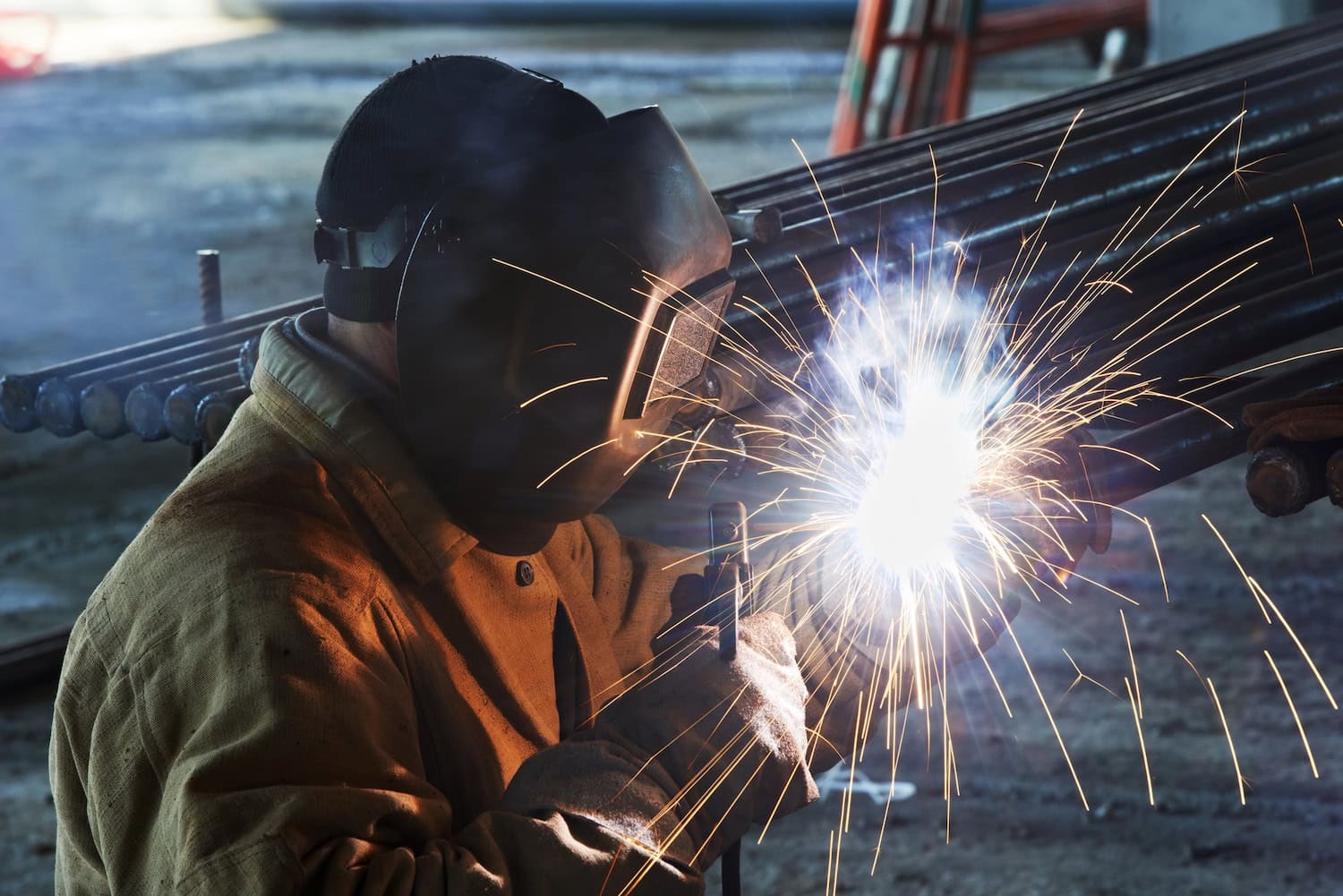
Welding outdoors is very different from welding in a shop. You are dealing with wind, changing weather, and dirty metal. All of these can affect how your weld looks and how strong it is. They can also affect your safety.
This guide walks through the main outdoor problems and how to handle them in a simple, practical way.
How Wind Affects Your Weld
Wind is one of the biggest issues outside, especially with MIG and TIG welding. These processes use shielding gas to protect the weld pool from the air. When wind blows that gas away, the weld is no longer protected.
This can lead to problems such as:
- Porosity (tiny holes in the weld)
- Weak or brittle welds
- Poor fusion and lack of strength
Even a light breeze around 5 mph or more can start to disturb shielding gas. The stronger the wind, the worse the problem. To protect your weld when using gas-shielded processes, you can:
- Use a windbreak such as a welding curtain, panel, or temporary barrier.
- Increase gas flow slightly, but not too high, so you do not create turbulence.
- If wind stays strong, switch to a more suitable process like self-shielded flux cored arc welding (FCAW) or stick welding.
If you cannot control the wind enough for a gas-shielded process, it is better to change processes than to accept poor welds.
Dealing With Weather and Moisture
Weather is always a factor outside. Sun, rain, cold, and heat can all change how your weld behaves.
Welding in active rain or on very wet surfaces is a bad idea. Moisture can introduce hydrogen into the weld, which can cause cracking, especially in thicker or higher strength steels. Wet conditions also increase the risk of electric shock. If things are soaked, you should stop, dry the area, or wait for safer conditions.
Cold temperatures can also affect the metal. Some steels become less tough in the cold, and thicker materials may be more prone to cracking. In cold weather you may need to:
- Preheat the base metal if the procedure or code requires it, especially on thicker or crack-sensitive steels.
- Keep rods and wire dry by using sealed containers or rod ovens for low hydrogen electrodes.
- Protect yourself from the cold so you can work safely and stay focused.
Hot weather brings its own challenges. You can overheat, get dehydrated, and lose focus. Try to weld during cooler times of day, drink water often, and rest in the shade when needed.
Dirt, Rust, and Other Contamination
Outdoor work often means welding on equipment, trailers, fences, or structures that have seen a lot of abuse. Metal may be rusty, painted, greasy, or covered in dirt. Even with stick or self-shielded flux core, you still need reasonably clean metal for a sound weld.
Contaminants can:
- Cause porosity and inclusions
- Reduce penetration
- Lead to weak and unreliable welds
Before you start welding, do some prep work:
- Grind, chip, or wire brush the joint area to bare metal.
- Remove as much rust, paint, oil, and dirt as possible.
- Make sure the surface is dry before you weld.
Good cleaning is one of the easiest ways to improve your weld quality outdoors.
Picking the Right Process Outside
Some welding processes handle outdoor conditions better than others.
Stick welding (SMAW) is a very common choice for field work. It does not use external shielding gas. The flux coating on the rod creates its own protective gas and slag. It still works best on clean metal, but it is more forgiving than many other processes in wind and less controlled environments.
Self-shielded flux cored arc welding (FCAW) is also well suited to outdoor work. The wire has flux inside that provides shielding. This process is popular on construction sites and structural steel.
MIG and TIG welding are usually better in shops or sheltered areas. Both rely on external shielding gas and clean metal. You can still use them outside if you control wind, clean well, and follow procedures closely. But when conditions are rough, stick or self-shielded flux core are usually safer choices.
Final Outdoor Welding Tips
Outdoor welding takes a bit more planning, but you can still get strong, clean welds if you prepare. Keep these points in mind:
- Check the forecast and try to plan around heavy wind and rain.
- Bring simple shelters, blankets, or panels to block wind where you can.
- Clean and dry the joint area as much as possible before welding.
- Choose a welding process that matches the conditions, not just your preference.
With the right setup and process, you can handle wind, weather, and dirt and still produce quality work.
And if you need rods, self-shielded wire, or safety gear for outdoor jobs, Vern Lewis Welding Supply is ready to help you get set up for the field.
Join Our Newsletter
Sign up for our newsletter to receive specials offers, product updates, and more!
Recent Posts
-

What Is an Inverter Welder and How Does It Work?
April 11, 2026
-
Why Metals Crack After Welding (and How to Stop It)
March 25, 2026
-
Organizing Your Welding Shop for Maximum Efficiency
March 11, 2026