

What Is an Inverter Welder and How Does It Work?
April 11, 2026
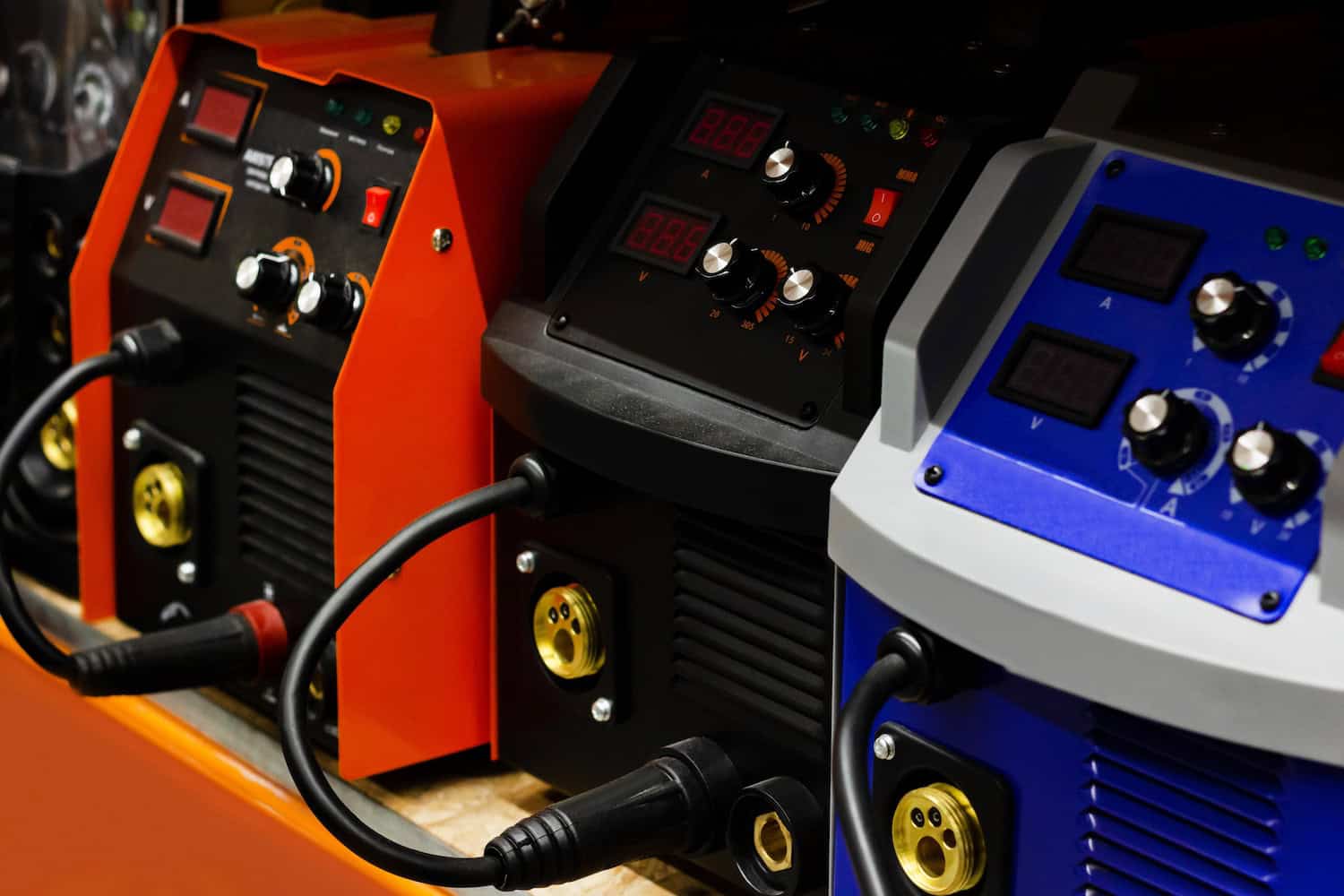
If you’ve ever struggled to move a heavy welder around your shop or load one into a truck, you know how frustrating it can be. That’s where inverter welders come in. These machines are compact, lightweight, and much easier to transport and operate.
It’s not just about portability. Inverter welders also deliver better arc control, improved energy efficiency, and smart features that many welders appreciate on the job.
In this post, we’ll break down what inverter welders are, how they work, and how to decide if one is right for your shop or fieldwork.
What Is an Inverter Welder?
An inverter welder is a welding power source that converts utility AC power into a controlled welding output using high-speed power electronics. Unlike traditional transformer welders that rely on large copper coils, inverter machines use compact circuitry and digital controls to manage power delivery to the arc.
Key differences from transformer welders:
Weight and size: Inverters are much lighter and more portable.
Efficiency: They convert power more efficiently, reducing waste and power draw.
Arc control: Digital controls allow for more precise adjustments.
Because they’re smaller and smarter, inverter welders are great for tight spaces, job sites, and applications that require fine-tuned settings.
How Do Inverter Welders Work?
Traditional transformer-based welders step down voltage using magnetic coils. Inverter welders use electronic components to convert and regulate power. Here is the basic flow:
AC input: Standard wall power (120 V or 240 V) enters the machine.
Rectifier: AC is converted to DC.
Inverter circuit: The DC is switched at high frequency (typically 20 to 100 kHz) to create high-frequency AC.
Transformer and output: A small high-frequency transformer adjusts voltage and current. After the transformer, the output is rectified and smoothed to provide stable DC, or shaped electronically to provide AC when needed.
This fast switching and precise control enable features such as:
- Hot start and arc force control
- Pulse and inductance control
- AC TIG frequency and balance control on applicable models
- Compatibility across processes (many models support MIG, TIG, or Stick)
For welders this means better starts and fewer arc outages. It also produces cleaner welds on tricky materials and thin metals.
Pros and Cons of Inverter Welders
Inverter technology brings a lot to the table, but it is not perfect for every job. Here is how it stacks up.
Advantages:
- Portability: Often 50 to 70 percent lighter than transformer units.
- Power flexibility: Many models run on dual voltage (120 V and 240 V).
- Arc performance: More stable, responsive arc control.
- Energy efficiency: Lower power consumption and less heat generation.
- Low-amp control: Smoother arcs at lower amperage for thin materials and out-of-position work.
Drawbacks:
- Cost: Typically higher upfront price.
- Durability: More sensitive to dust, moisture, and rough handling.
- Electronics: Repairs can be more technical and costly.
If you mostly weld in a controlled shop environment and need precise performance, inverters are hard to beat. If you work in tough, dirty conditions, a heavy-duty transformer welder might still be a better match.
Is an Inverter Welder Right for Your Shop?
Choosing a welding power source depends on how and where you weld. Consider these real-world factors:
Do you move your equipment often? Inverters are ideal for mobile work and tight spaces.
Do you need fine-tuned arc control? Inverters offer advanced settings that help with TIG or low-amp welding.
Are you running off a generator or limited power supply? Look for models with power factor correction or a generator-ready rating for better performance on fluctuating power.
What is your environment like? Dusty shops can be tough on electronics. Choose sealed or ruggedized units when needed.
If you’re unsure, try demoing a few units or ask your supplier to walk you through the differences in person.
Practical Tips for Welders
- Check your power supply. Some inverters auto-sense voltage, but not all.
- Protect the electronics. Keep machines clean and dry, and store them properly. Choose models with appropriate IP ratings for dusty or damp environments.
- Use the features. Learn hot start, pulse, and inductance controls to tailor the arc. For AC TIG on aluminum, practice with frequency and balance settings.
- Match machine to process. Not all inverters are multi-process. Double-check before buying. (If you plan to TIG aluminum, confirm the machine is AC-capable.)
- Check duty cycle. Verify the rated duty cycle at the amperage you plan to use most often.
Conclusion
Inverter welders combine modern power electronics with real-world practicality. They are lighter, smarter, and more efficient, which makes them a strong choice for many welders looking to upgrade their setup.
Whether you weld in the field or fine-tune delicate joints in the shop, understanding how inverter welders work helps you choose the right machine and get more from your gear.
Need help picking the right welder? Our team at Vern Lewis is here to help you find a reliable machine that fits the work you do. Stop by one of our locations today!
Join Our Newsletter
Sign up for our newsletter to receive specials offers, product updates, and more!
Recent Posts
-
What’s Actually Happening in the Weld Pool?
September 2, 2026
-
Why “More Heat” Isn’t Always the Right Answer
August 19, 2026
-
How to Prevent Metal Warping While Welding
August 14, 2026