Essential Welding Terms Every Beginner Should Know
August 4, 2026
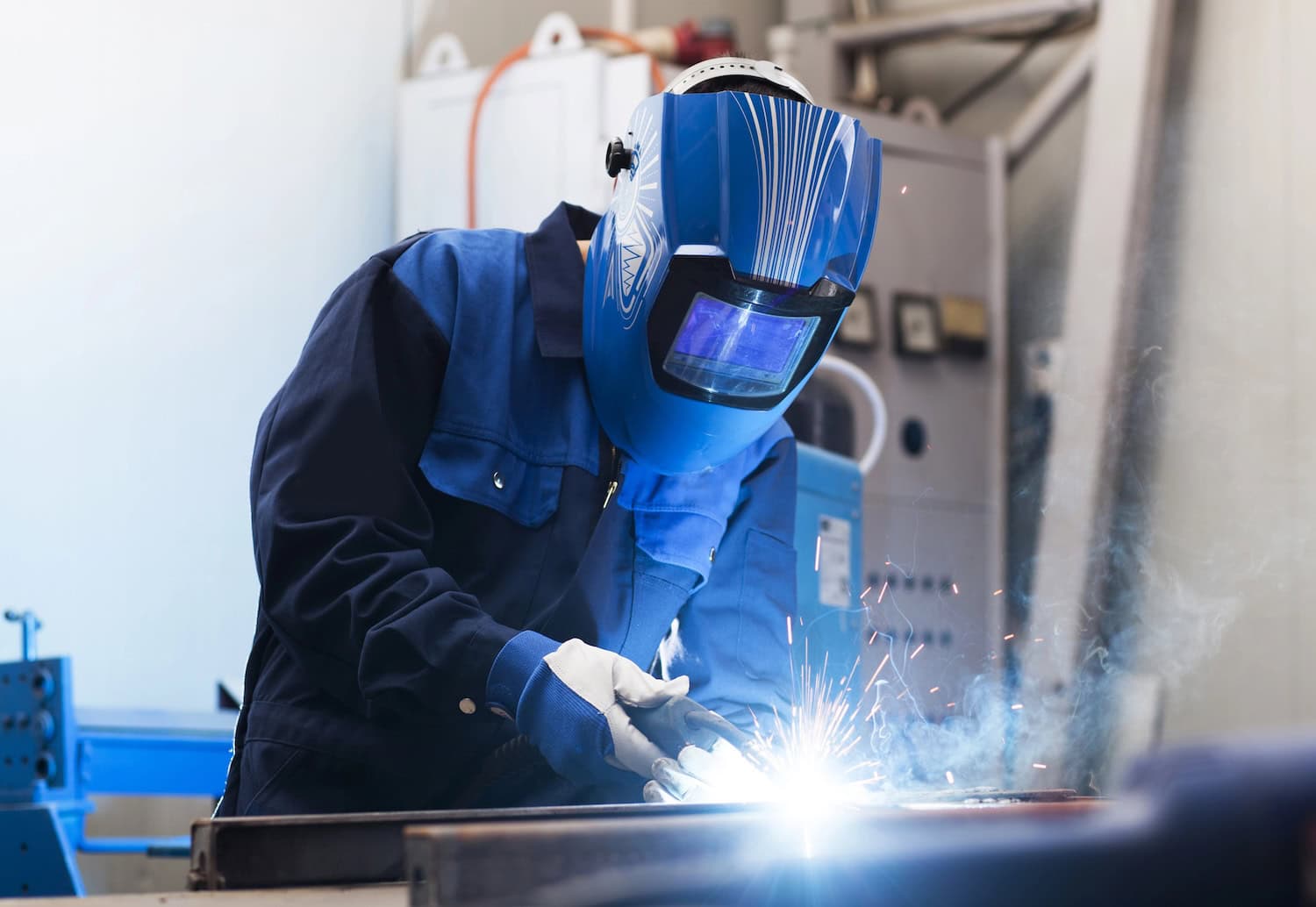
Every trade has its own language, and welding is no different. When you are just starting out, half the challenge is figuring out what everyone is talking about. Instructors, manuals, and the person at the supply counter all throw around terms that can feel like a foreign language. Here are the ones every new welder should have down.
The Basics
Start with the words that describe the weld itself.
- Base metal: the actual pieces you are joining together.
- Filler metal: the extra metal added to the joint, fed from a wire or rod, that fuses the pieces.
- Arc: the electric spark between the electrode and the metal that creates the heat to melt everything.
- Weld pool: the small puddle of molten metal you are steering as you weld. Also called the puddle.
- Bead: the finished line of weld metal left behind once the pool cools.
- Penetration: how deep the weld fuses into the base metal. Too shallow and the joint is weak.
- Fusion: the actual melting together of the filler and base metal into one solid piece.
- Joint: where two pieces meet and get welded, such as a butt joint (edge to edge) or a lap joint (one piece overlapping another).
- Tack weld: a small, quick weld that holds the pieces in position before you run the final beads.
The Main Processes
Most beginners run into three or four welding processes. Each has a formal name and a nickname.
- MIG (GMAW): the easiest to learn. A wire feeds automatically through the gun while shielding gas protects the weld.
- TIG (GTAW): the most precise and the hardest to master. You feed filler by hand while holding a torch.
- Stick (SMAW): a coated rod that works well outdoors and on dirty or rusty metal.
- Flux core (FCAW): similar to MIG, but the wire has flux inside so it can run without a separate gas bottle.
Settings and Setup
These are the terms you will hear when someone dials in a machine.
- Amperage: the amount of current, and the biggest control over how much heat goes into the weld.
- Voltage: works with amperage to shape the arc and the width of the bead.
- Travel speed: how fast you move along the joint. It changes the weld as much as the machine settings do.
- Electrode: the wire or rod that carries the current to the metal. In some processes it melts and becomes filler.
- Shielding gas: the gas that shrouds the weld pool to keep the air from contaminating it.
- Polarity: the direction of current flow. Some processes want the electrode positive, others negative.
- Ground clamp: the clamp that connects the workpiece back to the machine and completes the circuit. Also called the work clamp.
- Duty cycle: how long a machine can weld before it needs to cool, given as a percentage of a ten-minute span.
Things That Go Wrong
Knowing the words for common problems helps you fix them.
- Porosity: tiny gas holes trapped in the weld that weaken it, usually from contamination.
- Spatter: the little balls of metal that fly off and stick around the weld.
- Undercut: a groove melted into the base metal at the edge of the weld, which weakens the joint.
- Slag: the crust left on top of a stick or flux core weld that has to be chipped off.
- Heat-affected zone: the band of base metal beside the weld that got hot enough to change, even though it never melted. Often shortened to HAZ.
You Will Pick It Up Fast
Do not worry about memorizing all of this at once. The vocabulary sticks fast once you are actually welding and hearing the words in context. If you are just getting started and want gear, guidance, or a class to put these terms into practice, the team at Vern Lewis Welding Supply is always glad to help a new welder get going.
Join Our Newsletter
Sign up for our newsletter to receive specials offers, product updates, and more!
Recent Posts
-
What’s Actually Happening in the Weld Pool?
September 2, 2026
-
Why “More Heat” Isn’t Always the Right Answer
August 19, 2026
-
How to Prevent Metal Warping While Welding
August 14, 2026