


What’s Actually Happening in the Weld Pool?
September 2, 2026
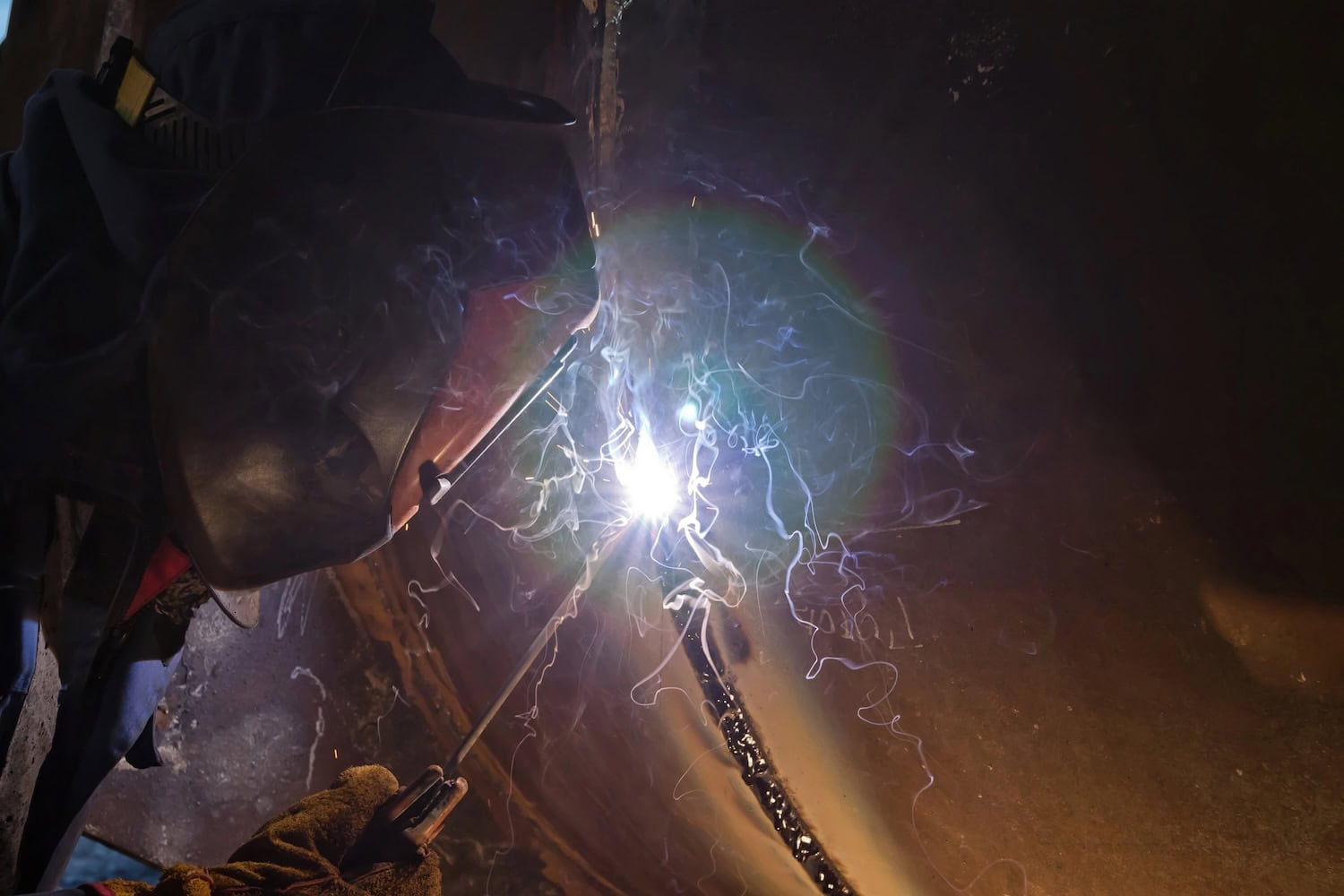
The weld pool is the little puddle of molten metal that follows your arc down the joint. It is where the whole weld is made, and learning to read it is what separates a welder who is guessing from one who is in control. Most of what makes a bead good or bad happens right there in that puddle, in the second or two before it freezes solid. Here is what is actually going on inside it.
What the Weld Pool Is
When the arc strikes, it heats a small spot on the base metal past its melting point and turns it liquid. Filler metal from your wire or rod melts into that same spot. The result is a small pool of molten metal, base and filler mixed together, sitting in the joint. It is only there for a moment. As your arc moves on, the pool behind it cools and hardens into the bead you see.
The Arc Is Doing the Heavy Lifting
The arc is the heat source that makes all of this possible. It burns hot enough to melt steel almost instantly, which is why the pool forms the moment the arc lands. How much metal melts, and how deep, comes down to your settings. More amperage means more heat and a deeper, wider pool. Too little, and the pool barely forms, leaving a weld that sits on top instead of fusing in.
It Is Not Sitting Still
A weld pool is not a calm puddle. The intense heat and the force of the arc keep the molten metal moving and stirring the whole time. That motion helps mix the filler and base metal together for a sound weld, and it carries heat down into the joint, which is part of how penetration happens. At the same time, shielding gas flows over the top of the pool and pushes the surrounding air away. Without that shield, oxygen and nitrogen would work into the molten metal and leave you with a weak, porous weld.
Reading the Pool
Experienced welders read the puddle, not the arc. The size and shape of the puddle tell you almost everything about how the weld is going.
- If the pool is small and ropey, you are running too cold or moving too fast.
- If it is wide and wants to sag or fall through, you are too hot or moving too slow.
- Where the pool meets the base metal at the edges, called the toes, it should tie in smoothly rather than pile up.
Learning to steer the pool at a steady size, and keeping it the right distance ahead of your filler, is most of what welding skill really is.
How the Pool Becomes a Bead
As the arc moves away, the pool cools and begins to solidify. It freezes from the outside in, starting at the cooler edges and working toward the center. That cooling is not just the end of the process. It decides a lot about the finished weld. Cool too fast, and the metal can turn hard and brittle. Trap gas or contamination before it freezes, and you get porosity. Get the heat and travel right, and the pool freezes into a clean, strong bead that becomes part of the two pieces it joined.
Watch the Puddle, Not the Arc
Once you understand that the weld pool is where the real work happens, welding starts to make more sense. You stop chasing settings blindly and start watching the puddle and reacting to what it tells you. That shift, from staring at the arc to reading the pool, is where a lot of welders finally start laying beads they are proud of.
Join Our Newsletter
Sign up for our newsletter to receive specials offers, product updates, and more!
Recent Posts
-
Why “More Heat” Isn’t Always the Right Answer
August 19, 2026
-
How to Prevent Metal Warping While Welding
August 14, 2026
-
What’s the Difference Between Pulsed MIG and Standard MIG?
August 10, 2026