

How Long Does It Take to Get Good at Welding?
July 29, 2026
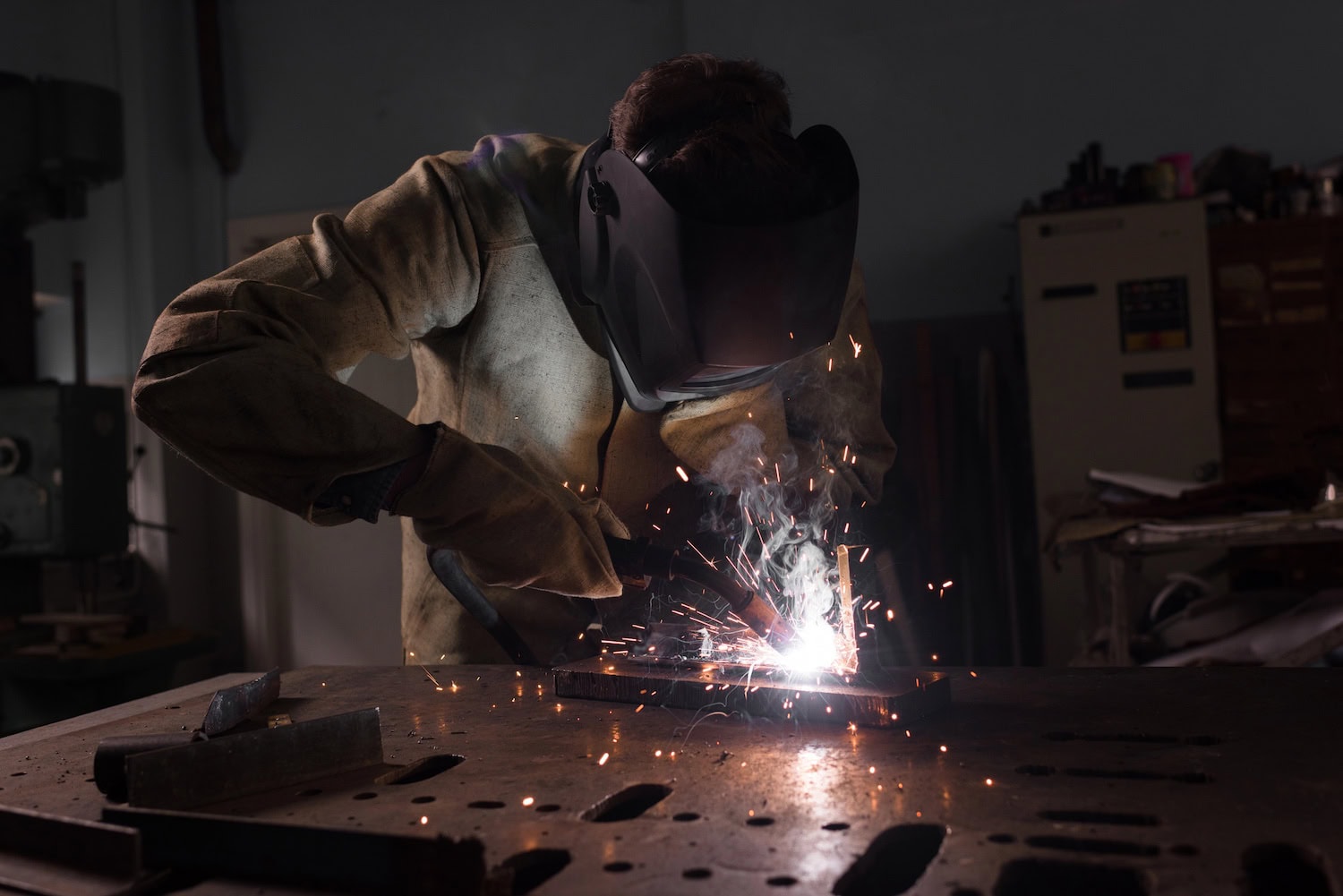
If you’re just starting out with welding, you might be wondering how long it takes to actually get good at it. The honest answer is that it depends. Some people pick up the basics quickly, while others need more time. Welding is a hands-on skill, so the more you practice, the better you tend to get.
In this post, we’ll look at what “good” means in welding, how long it may take to reach different skill levels, and what you can do to learn more effectively.
What Does “Good at Welding” Mean?
Being “good” at welding can mean different things depending on your goals.
- If you’re looking to make solid, clean welds for home projects or basic repairs, that is a different skill level than structural or pipe welding.
- A professional welder may need to pass certification tests and work in demanding conditions, which takes more training and experience.
Before you think about timelines, it helps to decide what kind of welding you want to do. Are you aiming for hobby projects, a fabrication job, or a long-term welding career?
General Timeline for Learning
Here is a general guide to how long it may take to reach different stages in welding if you practice regularly.
1. Basic Skills (about 1 to 3 months)
With steady practice or an introductory class, many beginners are able to pick up basic skills within a few weeks to a few months. This usually includes:
- Striking an arc
- Running a simple bead
- Learning about basic joint types and positions
- Getting familiar with MIG, TIG, or Stick welding equipment
2. Intermediate Skills (about 6 to 12 months)
After several months of consistent practice, many learners can handle more involved welds and work with more than one material or position. At this stage, welders often develop:
- Cleaner and more consistent welds
- Better control of heat input and travel speed
- More comfort welding in different positions
3. Professional Competency (around 1 to 2 years or more)
Reaching a level where you can pass common welding certification tests and work reliably on job sites often requires at least a year of focused training and experience. Many welding trade school programs are designed to be completed in about 6 to 18 months, and on-the-job learning continues after that.
Timelines can vary widely from person to person. Previous experience with tools, how often you practice, and the type of welding you choose all make a difference.
Factors That Affect How Fast You Learn
Not everyone learns at the same pace. These factors can strongly influence how quickly your skills improve:
- Practice time: Welding involves coordination and muscle memory. More consistent hours usually lead to faster progress.
- Type of welding: MIG welding is generally considered quicker for beginners to learn than TIG, which requires more precise control.
- Quality of instruction: A knowledgeable instructor can help you spot mistakes early and adjust your technique.
- Tools and materials: Practicing with reliable equipment and clean, properly prepared metal makes it easier to see what you are doing right or wrong.
Tips to Get Better Faster
If you want to build your welding skills more quickly, these practical habits can help:
- Practice often: Short, regular practice sessions are usually more effective than welding only once in a while.
- Start with MIG if possible: Many beginners find MIG easier to learn and a good way to build confidence.
- Watch your technique: Pay attention to your body position, travel speed, and how steady your hand is.
- Ask for feedback: Instructors, experienced welders, or coworkers can point out issues you might miss.
- Take a class or course: Structured training gives you clear steps, safety guidance, and a path toward certifications.
Final Thoughts
There is no single number of hours that will make you a skilled welder. Some people feel comfortable with basic welds after a few months of steady practice, while others need more time to reach the same point. The most important factor is consistency over time.
If you keep practicing, pay attention to your technique, and learn from your mistakes, your welds will steadily improve. Every expert welder started as a beginner and improved by putting in time under the hood.
Looking to sharpen your welding skills or get the right tools? Vern Lewis Welding Supply offers training, equipment, and expert support. Stop by one of our Arizona locations or give us a call to learn more.
Join Our Newsletter
Sign up for our newsletter to receive specials offers, product updates, and more!
Recent Posts
-
What’s Actually Happening in the Weld Pool?
September 2, 2026
-
Why “More Heat” Isn’t Always the Right Answer
August 19, 2026
-
How to Prevent Metal Warping While Welding
August 14, 2026