


Is TIG Welding Really the Strongest? Let’s Break It Down
November 12, 2026
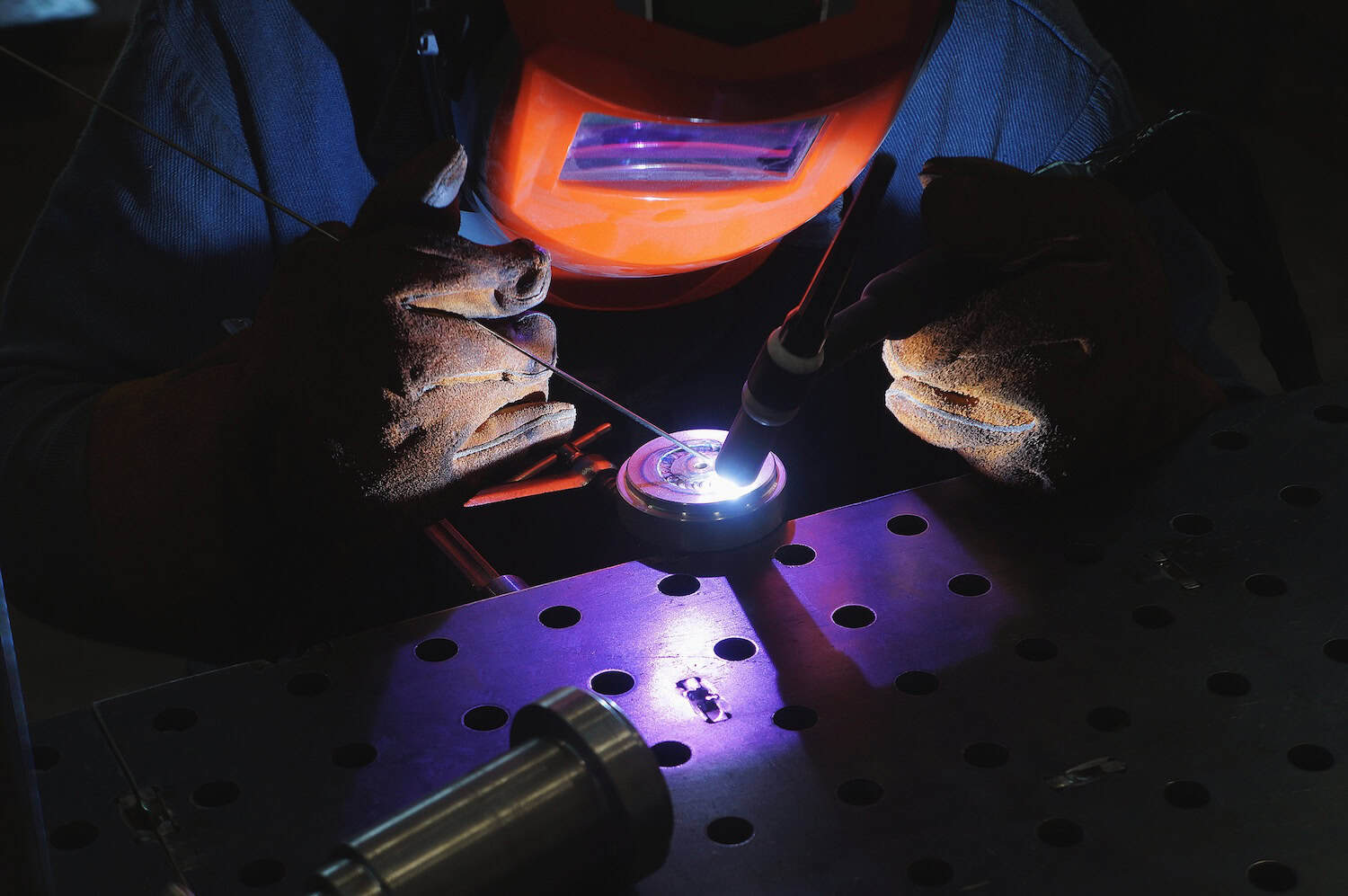
Ask around any shop and someone will tell you TIG makes the strongest welds, hands down. It is easy to see why people believe it. TIG lays down clean, precise beads and takes real skill to run, so it feels like it must be the strongest too. The reality is more useful than the myth. TIG is an excellent process, but strength is not really about the process at all. Here is what actually decides how strong a weld is, and where TIG fits in.
Where TIG’s Reputation Comes From
TIG earns its respect honestly. It gives the welder fine control over heat and filler, lays down clean welds with almost no spatter, and handles thin or exotic metals that other processes struggle with. That precision is why you see TIG welding in aerospace, food-grade stainless, and other work where quality is everything. A well-run TIG weld looks the part, and it is easy to assume something that clean must also be the strongest thing going.
Strength Comes From the Weld, Not the Process
A weld’s strength is decided by how well it is made, not by which machine made it. Proper penetration, complete fusion, the right filler metal, and a sound joint design matter far more than the process name on the box. A TIG weld with poor fusion is weaker than a MIG or stick weld done right. Run any of the common processes correctly, match the filler to the base metal, and the weld can stand up to the metal around it. Picture two welders joining the same steel plate, one on TIG and one on MIG. If both reach full fusion, use the right filler, and size the weld to the load, both joints can pass the same strength test. The difference shows up in speed, cleanliness, and control, not in raw holding power.
Every Process Has Its Strengths
Different processes are built for different jobs:
- TIG shines on thin material, stainless, aluminum, and anything that demands a clean, precise weld.
- MIG lays down strong welds quickly and is easier to learn, which makes it a workhorse for fabrication and production.
- Stick handles thick, dirty, or outdoor work that would give a cleaner process trouble.
On a thick structural joint, a stick or flux-core weld with deep penetration can perform every bit as well as TIG. The best process is not the fanciest one, it is the one matched to the material and the job in front of you. Reach for TIG on a job that calls for MIG or stick and you may end up with a slower, pricier weld that is no stronger for the trouble.
The Base Metal Often Sets the Limit
Here is the part that surprises people. In a properly welded joint, the weld itself is usually not the weakest point. The filler metal is chosen to at least match the strength of the base metal, so a sound weld tends to hold while failure shows up in the base metal or the heat-affected zone instead. That holds true across processes. It is why an engineer designing a weldment spends as much time on joint design and material choice as on which process runs the bead. When the weld is done right, strength comes down to the metal and the design, not whether it was laid with TIG, MIG, or stick.
So, Is TIG the Strongest?
Not by default. It is one of the cleanest, most precise ways to weld, and it is the right call for a lot of demanding work. Real strength, though, is earned through fusion, penetration, the right filler, and a joint built for the load it will carry. Pick the process that fits the job, run it well, and the strength will follow.
Join Our Newsletter
Sign up for our newsletter to receive specials offers, product updates, and more!
Recent Posts
-
Common Welding Beliefs That Don’t Hold Up
November 4, 2026
-
What’s Actually Happening in the Weld Pool?
September 2, 2026
-
Why “More Heat” Isn’t Always the Right Answer
August 19, 2026