


Why Wire Feed Speed Matters in MIG Welding
July 22, 2026
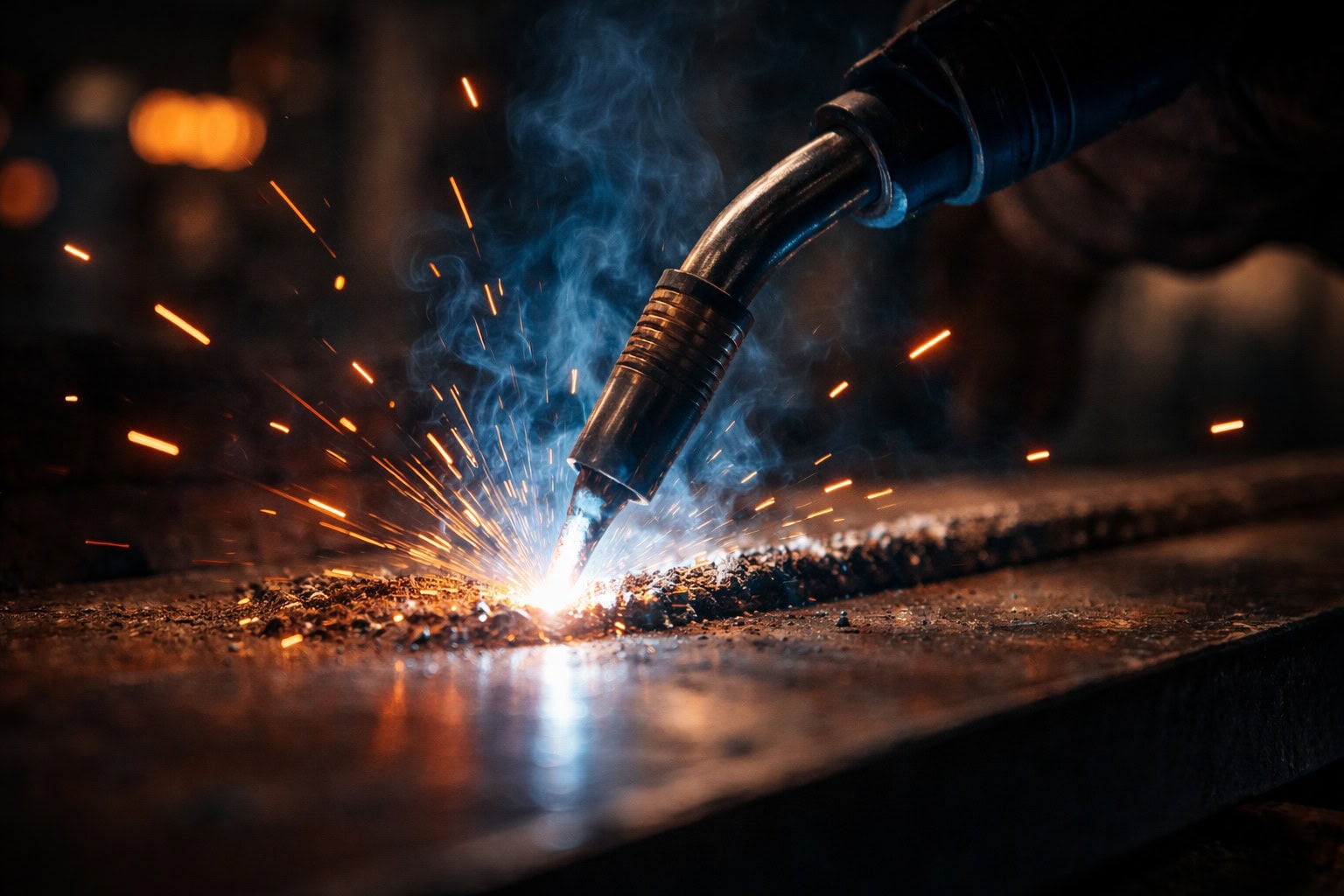
If you’re learning MIG welding, you’ve probably heard the term “wire feed speed.” It might sound like a small detail, but it plays a big role in how your welds turn out. In simple terms, wire feed speed controls how fast the wire comes out of your welding gun. That speed affects the size of your weld, the welding current and penetration you get, and whether your arc stays stable.
In this post, we’ll break down why wire feed speed matters, what can go wrong if it’s set incorrectly, and how to dial it in just right.
What Is Wire Feed Speed?
Wire feed speed (WFS) is exactly what it sounds like – the rate at which the MIG welder feeds wire through the gun. It’s usually measured in inches per minute (IPM).
Your welder uses this wire as both the electrode and filler metal. So, the faster the wire feeds, the more metal you’re putting into the weld.
But more isn’t always better. Setting it too high or too low can cause problems, which is why it’s important to understand how wire feed interacts with your voltage, material thickness, and welding position.
Why It Matters
Getting your wire feed speed right makes a big difference in how your weld looks and performs. Here’s what wire feed speed affects:
- Arc stability – Too fast or too slow, and your arc may sputter or even go out.
- Weld bead size – Faster speeds lay down more filler metal and create bigger beads.
- Penetration – The wrong speed can lead to shallow welds or burn-through.
- Spatter and porosity – Unbalanced settings can make spatter worse and, together with poor gas coverage or contamination, contribute to porosity and weak spots.
Signs Your Wire Feed Speed Is Too High
If the wire is coming out too quickly, you might hear a harsh, loud arc sound – almost like a machine gun. The wire may push into the weld puddle instead of melting smoothly.
Here are some common symptoms of too much wire feed:
- Excessive spatter
- Bulky or uneven weld beads
- Poor fusion with the base metal
- Gun “pushing back” during welding
Signs It’s Too Low
On the other hand, if your wire feed is too slow, the arc may cut out, or the wire may melt before reaching the weld pool. You may also notice:
- Intermittent arc or stalling
- Narrow, under-filled welds
- Lack of penetration
- A humming or sputtering arc
If the arc keeps breaking or you feel like you’re welding in bursts, the wire feed is probably too low.
Getting It Just Right
To find the right wire feed speed, start by checking your machine’s chart or settings guide. Most MIG welders have a reference sticker on the inside panel that shows recommended speeds based on:
- Material type (steel, aluminum, etc.)
- Material thickness
- Wire diameter
- Shielding gas
From there, do a test weld and make small adjustments. You’re aiming for a steady arc sound – a smooth, rhythmic “buzz” – and a clean, even bead.
Tips for Better Results
Here are a few quick tips to help you stay on track:
- Always adjust voltage and wire speed together. They work as a pair.
- Watch and listen. A consistent arc sound tells you things are working right.
- Make test passes on scrap metal before starting on your actual project.
- If you change wire size or metal thickness, recheck your settings.
Final Thoughts
Wire feed speed might seem like a minor detail, but it controls how much filler metal goes into your weld. If it’s off, you’ll have trouble getting strong, clean welds. By learning to recognize the signs of bad settings and practicing with small adjustments, you can fine-tune your setup for much better results.
Join Our Newsletter
Sign up for our newsletter to receive specials offers, product updates, and more!
Recent Posts
-
What’s Actually Happening in the Weld Pool?
September 2, 2026
-
Why “More Heat” Isn’t Always the Right Answer
August 19, 2026
-
How to Prevent Metal Warping While Welding
August 14, 2026