


Choosing the Right Welding Process: A Practical Guide for Every Job
May 12, 2026
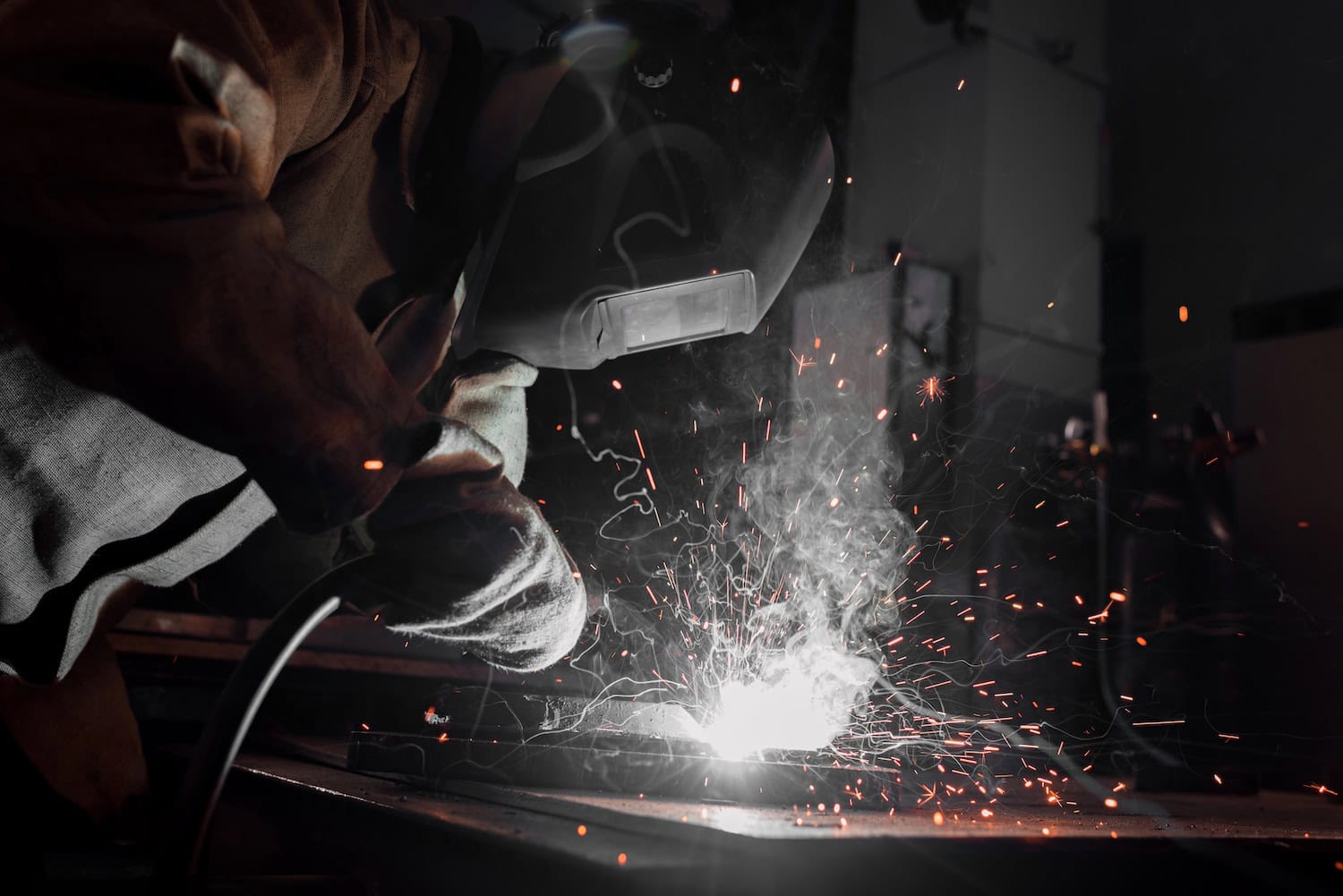
Walk into any welding supply shop and you’ll hear the same question asked a dozen different ways: “Which process should I use for this job?” It’s one of the most common decisions welders face, and getting it right can mean the difference between a clean, strong weld and hours of rework.
The truth is, there’s no single “best” welding process. Each method has strengths and weaknesses, and the right choice depends on your specific project requirements. In this post, we’ll explore the key factors that should guide your process selection and help you make confident decisions in the shop.
Start with the Material
The base metal you’re welding is your first and most important consideration. Different metals respond better to certain processes, and some combinations simply won’t work.
Stick welding (SMAW) handles thick steel beautifully and works on rusty or dirty metal better than MIG or TIG. It’s the go-to for structural steel, heavy equipment repair, and outdoor work. However, it struggles with thin materials and non-ferrous metals like aluminum.
MIG welding (GMAW) offers versatility across many metals and thicknesses. It’s fast, produces clean welds on steel and aluminum, and works well on thin materials. The downside? It needs clean metal and doesn’t perform well in windy conditions.
TIG welding (GTAW) provides the most control and produces the cleanest, most precise welds. It’s ideal for stainless steel, aluminum, and exotic metals. It also excels on thin materials where precision matters. The trade-off is speed. TIG is slower than other processes and requires more skill.
Flux-cored welding (FCAW) combines MIG’s speed with stick welding’s ability to handle less-than-perfect conditions. It’s excellent for thick steel, works well outdoors, and tolerates rusty or dirty metal similar to stick welding.
Consider Your Working Environment
Your location and conditions matter just as much as the metal itself.
Working outdoors or in drafty shops? Stick and flux-cored processes use flux to protect the weld pool, making them far more forgiving in breezy conditions. MIG and TIG rely on shielding gas, which wind can blow away, leading to contaminated welds and porosity.
Welding in tight spaces or awkward positions? Stick welding shines here because you’re not managing a gas hose alongside your welding leads. TIG requires the most access and comfort since you’re controlling a torch, filler rod, and foot pedal simultaneously.
If you’re welding overhead or in vertical positions, consider that MIG and flux-cored processes can be more challenging to control as the molten puddle wants to fall. Stick and TIG often provide better control in out-of-position work.
Match the Process to Production Needs
Time and budget constraints shape your process choice in commercial settings.
Speed matters for production work. MIG and flux-cored processes deposit metal faster than stick or TIG, making them ideal for high-volume jobs. A MIG welder can complete in minutes what might take an hour with TIG.
Quality requirements vary by application. Aerospace, food service equipment, and critical pressure vessels often require the precision and cleanliness of TIG welding. Structural steel and general fabrication typically allow faster processes like MIG or stick.
Your skill level and training also factor in. MIG is generally the easiest to learn and produces acceptable results quickly. TIG demands the most practice and coordination. Stick welding is moderately difficult but very forgiving of less-than-ideal conditions.
Quick Decision-Making Tips
When you’re standing in front of a job and need to choose fast, run through this mental checklist:
- Thick steel, outdoor work, or rusty metal? Start with stick or flux-cored.
- Thin material or precision work required? Consider TIG or MIG.
- Aluminum or stainless steel? TIG for quality, MIG for speed.
- Production volume is high? MIG or flux-cored will save time.
- Working alone on varied projects? A multi-process machine gives you flexibility.
- Windy conditions or no access to gas? Stick welding is your friend.
Making the Right Call
Choosing a welding process isn’t about finding the “perfect” method. It’s about weighing multiple factors and selecting the best fit for your specific situation. The material, environment, quality requirements, and production demands all play a role.
As you gain experience, these decisions become second nature. You’ll develop instincts for which process suits each job. Until then, don’t hesitate to ask questions at your local welding supply. Most welding professionals are happy to share their knowledge and help you make the right choice for your next project.
Join Our Newsletter
Sign up for our newsletter to receive specials offers, product updates, and more!
Recent Posts
-
What’s Actually Happening in the Weld Pool?
September 2, 2026
-
Why “More Heat” Isn’t Always the Right Answer
August 19, 2026
-
How to Prevent Metal Warping While Welding
August 14, 2026