
Do I Need to Be Certified to Get a Welding Job?
May 5, 2026
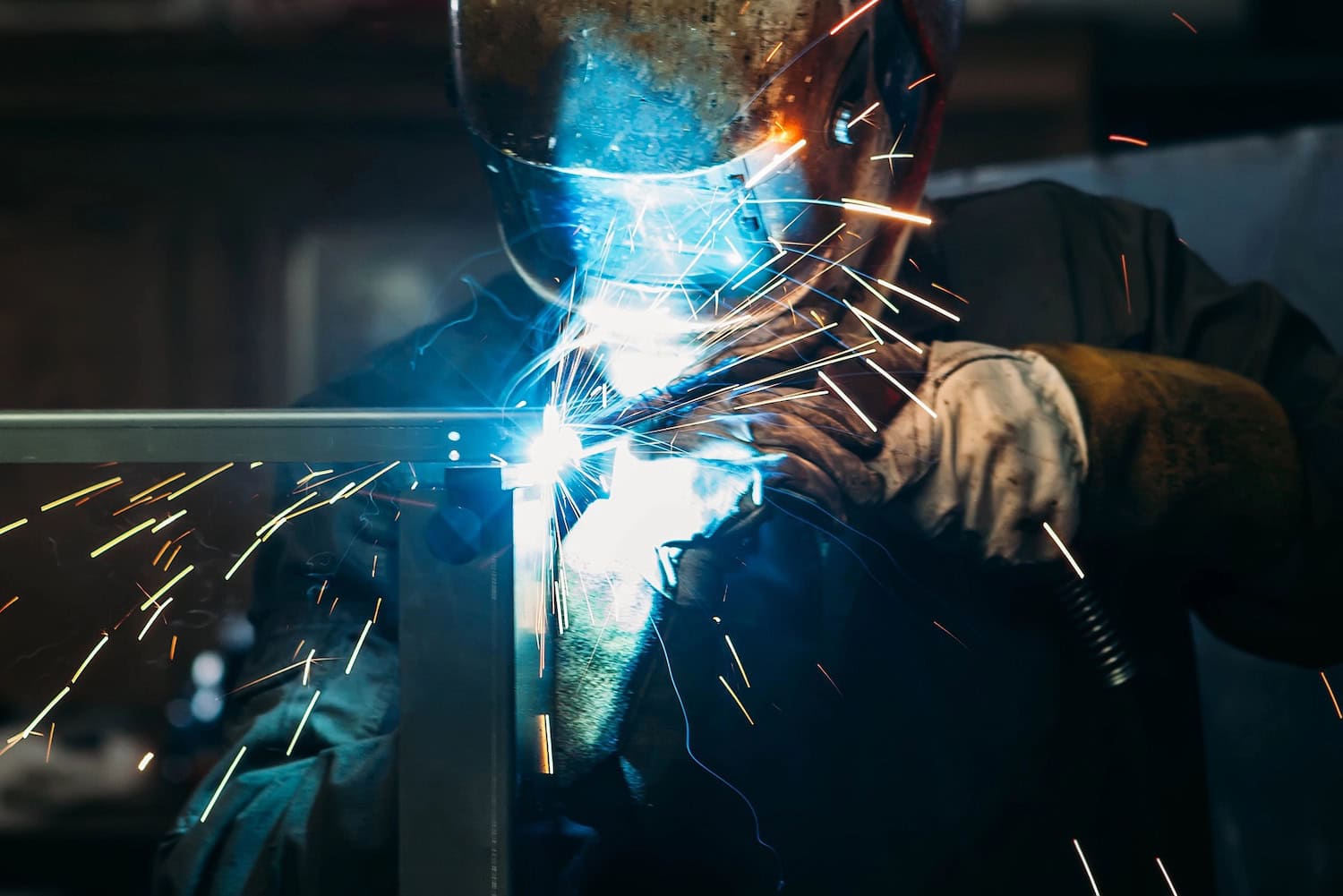
If you’re learning to weld or looking to break into the trade, you’ve probably wondered whether you need certification to get hired. The short answer is: it depends. Certain welding jobs absolutely require it. Others care more about what you can actually do.
The key is understanding which employers and industries demand certification and which ones don’t. In this post, we’ll explore when certification matters, when it doesn’t, and how to make yourself employable either way.
Understanding What Certification Really Means
Welding certification proves you can perform specific welds to specific standards. It’s not a general license to weld. Think of it more like a test result that shows you successfully completed a particular weld under controlled conditions.
The most common certifications come from organizations like the American Welding Society (AWS), the American Society of Mechanical Engineers (ASME), and various state or local agencies. Each certification tests specific processes, positions, and materials. For example, you might be certified for 3G stick welding on carbon steel but not certified for TIG welding aluminum.
Certifications remain valid as long as you maintain continuity. Most standards require you to use each qualified process at least once every six months. If you go longer than that without welding in a particular process, you’ll need to requalify for that process. Some certifications like the Certified Welding Inspector credential work differently, with set renewal periods every few years.
When Certification Is Required
Certain industries and applications legally require certified welders. You cannot work in these fields without proper certification, regardless of your skill level.
Structural steel and building construction often require certification, especially on commercial projects. If you’re welding beams for bridges, high-rises, or public structures, expect to need credentials. Building codes and engineering specifications demand it.
Pressure vessels and piping systems need certified welders. Boilers, tanks, pipelines, and anything holding pressurized gases or liquids fall into this category. The stakes are high, and regulations exist for good reason.
Aerospace and defense work universally requires certification. These industries have strict quality standards and extensive documentation requirements. You won’t even get through the door without the right credentials.
Some government and union jobs specify certification requirements in their contracts. This is especially common in shipbuilding, power plants, and large infrastructure projects.
When Skills Matter More Than Papers
Many welding jobs care more about what you can do than what certificates you hold. Small fabrication shops, repair operations, and manufacturing facilities often hire based on demonstrated ability.
General manufacturing and production welding frequently train welders in-house. If you can prove basic competency, many companies will teach you their specific processes and procedures. They’re looking for reliable workers who can learn their systems.
Small shops and custom fabrication often value versatility over credentials. A shop owner wants someone who can handle varied projects, troubleshoot problems, and work independently. If you can pass their weld test, you’re in.
Maintenance and repair work typically focuses on practical problem-solving skills. Agricultural equipment repair, facility maintenance, and mobile welding services need welders who can figure things out and make repairs that hold. Certification rarely comes up.
Automotive and motorcycle fabrication shops usually care about creativity and quality. Custom work requires artistic sense alongside welding ability. A strong portfolio of previous projects often matters more than any certificate.
How to Position Yourself for Success
Smart welders focus on building both skills and credentials strategically. Here’s how to maximize your employability.
Start by learning fundamental skills thoroughly. Master basic processes like MIG and stick welding on common materials. Practice different positions until you’re comfortable. Good fundamentals make certification testing much easier when you need it.
Build a portfolio of your work. Take clear photos of clean welds, completed projects, and varied applications. Potential employers want to see what you can actually do. A dozen photos of solid work speak louder than any resume.
Get certified when it makes sense for your career path. If you want structural or pressure vessel work, pursue those certifications early. If you’re targeting small shops, invest that time in skill development and diverse practice instead.
Be honest about your capabilities. Don’t claim certifications you don’t have, but don’t undersell your skills either. Many employers will give you a practical weld test. If you can pass it, you’re employable.
Network within the local welding community. Talk to welders at your supply shop, attend trade events, and connect with local fabricators. Many jobs never get advertised. People hire welders they know and trust.
Making the Right Investment
Certification isn’t a magic ticket to employment, but it opens specific doors. Focus on the type of work you want, then build the credentials and skills that market values. Some welders build entire careers without formal certification. Others need multiple credentials just to apply.
The best approach? Develop solid fundamental skills first. Learn what kinds of welding work exist in your area. Then pursue the certifications that match real job opportunities. Your local welding supply can often point you toward shops that are hiring and what they’re looking for. Most welding professionals are happy to share advice about breaking into the trade in your specific market.
Join Our Newsletter
Sign up for our newsletter to receive specials offers, product updates, and more!
Recent Posts
-
What’s Actually Happening in the Weld Pool?
September 2, 2026
-
Why “More Heat” Isn’t Always the Right Answer
August 19, 2026
-
How to Prevent Metal Warping While Welding
August 14, 2026