

Essential Welding Safety Protocol – What Every Welder Needs to Know
March 20, 2024

Although safety should always be a top priority when you’re on the job, it’s especially important when you’re welding. Burns, crush injuries, exposure to toxic fumes, electric shock, and more are just a few of the potential hazards welders need to worry about.
According to recent data from the Bureau of Labor Statistics, welders are up to 100 times more likely to be injured on the job than other workers, so safety protocol is more than just a good idea. It should form the foundation of every choice a welder makes while working with the tools of the trade.
Here’s a closer look at what you need to know to stay safe, as well as to protect the integrity of your work.
Here’s a closer look at what you need to know to stay safe, as well as to protect the integrity of your work.
6 Must-Know Welding Safety Rules
Although what it takes to stay safe will naturally vary from project to project, some welding safety rules apply pretty much across the board. Here are a few essential ones to keep in mind.
1. Assess potential risks
Being fully aware of any potential hazards in your immediate surroundings is key when you’re welding. For that reason, every new project should always start with a risk assessment of the job site and any potential hazards. Then set up control criteria accordingly.
2. Look out for fire hazards
Fire hazards are among the most dangerous hazards you face when welding, so be especially careful to avoid them. Welding should always take place in a safe designated area free of any flammable materials. When it’s not possible to physically remove fire hazards, they should be actively protected from sparks and excess heat.
3. Wear personal protective equipment (PPE)
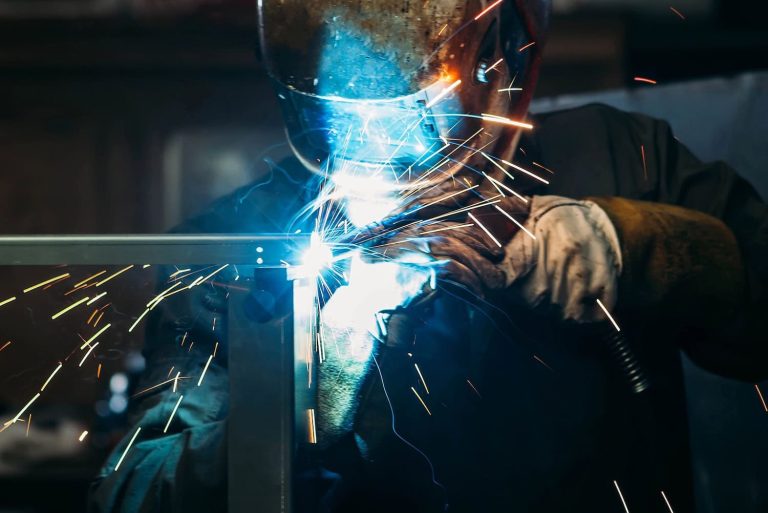
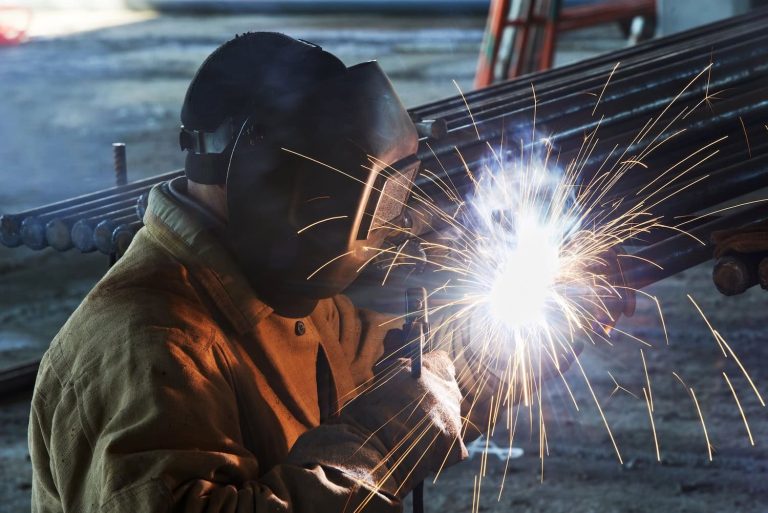
Dressing appropriately and using proper safety gear is a crucial part of staying safe during a welding project. Dress in safe clothing that properly covers you, including long-sleeved shirts, boots, gloves, and long pants without cuffs. Protective equipment like respirators, ear protection, goggles, and a welding helmet should also be worn at all times.
4. Take training and directives seriously
Thorough training is a must for all team members, especially when dealing with new equipment or techniques. So is staying completely in the know when it comes to the materials you use. Always review safety sheets, container labels, and training materials thoroughly before working with anything unfamiliar.
5. Implement protection from gas and fumes
Toxic fumes, gases, airborne debris, and dust can pose their own problems when you’re welding. Always ensure proper ventilation to keep hazards like these from accumulating. If and when necessary, welding team members should also wear breathing protection like respirators to stay safe.
6. Hold yourself (and others) accountable
Welding safety guidelines should always be followed to the letter and taken seriously at all times. Hold yourself accountable when it comes to making safety the priority it should be, and do the same for others around you. Safety is everyone’s responsibility.
The Dangers of Ignoring Safety: What Could Go Wrong
Paying proper attention to rules like the above helps avoid injury, as well as ensures important welding jobs go as planned. The safer the job site, the easier it is to avoid problems like the following:
- Serious burns and scorch injuries
- Cuts and crush injuries, including broken fingers and toes
- Health issues related to toxic fume exposure, such as cancer and metal fume fever
- Eye damage due to UV light exposure and arc flashes
- Electric shocks potentially resulting in serious injury or death
- On-site fires and explosions
Poor safety practices can also lead to subpar work that isn’t as safe or secure as it should be. This could in turn lead to safety concerns for other people, lost work, tarnished professional reputations, and many other consequences.
Key Safety Equipment for Welders
Although knowing the rules when it comes to completing jobs safely is important, a given welder is really only as safe as his gear. Make sure you have all of the following available to you when welding.
- Welding helmets help protect your eyes and face from sparks, harmful rays, and other common welding hazards.
- Welding gloves safeguard against shocks, burns, cuts, radiation, etc.
- Welding boots ensure your feet are insulated against heavy or sharp objects, sparks, excessive heat, and slipping hazards.
- Welding respirators are essential protection against breathable hazards like fumes and metallic dust.
- Welding jackets are heatproof and fireproof, ensuring adequate protection for your back, arms, chest, shoulders, and neck.
- Hearing guards like earplugs and ear muffs keep the noise of welding from damaging your hearing.
- Welding aprons offer additional bodily protection from heat, UV rays, and other hazards.
- Fire blankets help catch sparks and flying pieces of metal, protecting workers and ensuring their safety.
Paying proper attention to safety is more than just a way to protect yourself from bodily harm while welding. It’s also the best strategy for bringing your A-game to the table every time and on every job. Upgrade your safety game today and prepare to reap the benefits!
Sources:
Join Our Newsletter
Sign up for our newsletter to receive specials offers, product updates, and more!