

Stick vs TIG Welding: Which One Should I Learn First?
July 7, 2026
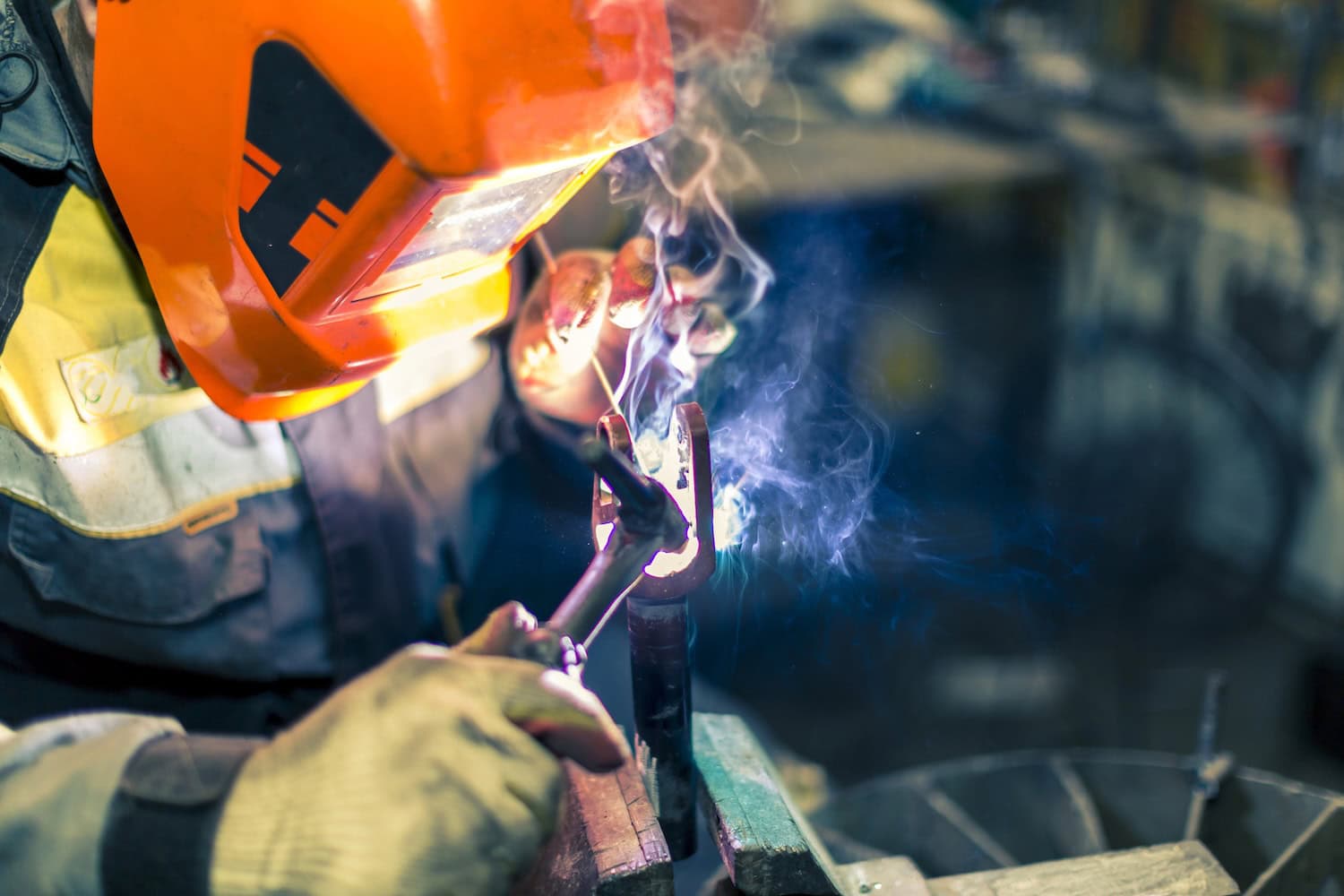
If you are new to welding or thinking about expanding your skills, this question comes up fast. Stick and TIG are both essential processes, but they work very differently and teach you different things. Picking the right one to start with can shape how quickly you progress and what kind of work you can take on.
The honest answer is that it depends on your goals. But understanding what each process demands will help you make a smart decision instead of just guessing.
What Each Process Asks of You
Stick welding (SMAW) uses a consumable flux-coated electrode that melts into the joint as you weld. There is no external shielding gas. The flux coating creates its own gas shield and leaves a layer of slag over the weld that you chip off when you are done. You are managing the arc length, travel speed, and electrode angle while the rod slowly burns down.
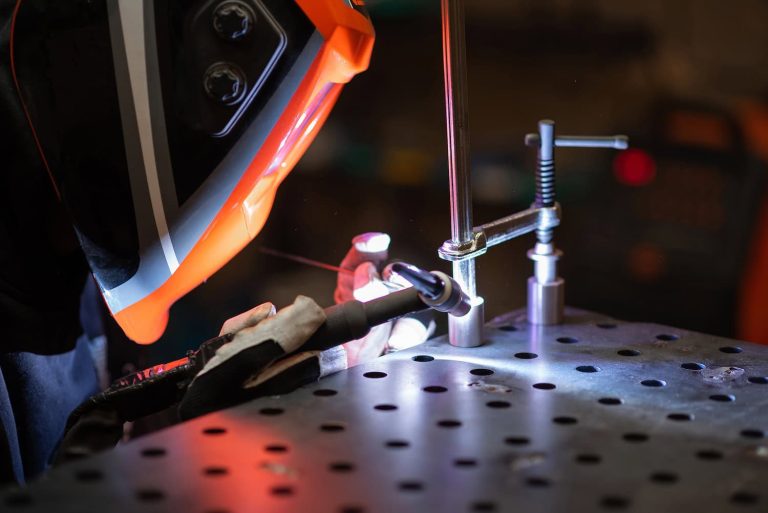
TIG welding (GTAW) uses a non-consumable tungsten electrode to create the arc while you feed a separate filler rod into the puddle by hand. Shielding gas, typically argon, protects the weld from contamination. With TIG, you are coordinating the torch in one hand, filler rod in the other, and often a foot pedal for amperage control at the same time.
Both processes require you to read the puddle and control heat input. But TIG demands more coordination from the start, which is why most people find it harder to pick up.
The Case for Starting With Stick
Stick welding is more forgiving and less complicated to set up. You need a power source, a stinger, a ground clamp, and electrodes. No gas bottles, no regulators, no filler rod to juggle separately. That simplicity lets you focus on the fundamentals: striking and holding an arc, controlling your travel speed, and learning to read the weld pool.
Stick also teaches you to weld in imperfect conditions. It works on rusty or dirty steel, handles wind, and performs well in all positions. If you plan to do any field work, structural welding, or heavy repair, these are skills you will use constantly.
The learning curve is moderate. Most beginners struggle with arc starts and electrode sticking at first, but with practice, the process becomes intuitive. And because stick welding is common across so many industries, the skills you build have broad value whether you pursue certification or not.
The Case for Starting With TIG
TIG welding teaches you precision and puddle control at a level no other process matches. Because you control the heat, filler addition, and torch movement independently, you develop a deep understanding of how molten metal behaves. That awareness transfers to every other process you learn later.
If your goals lean toward stainless steel, aluminum, thin materials, or any work where weld appearance and quality matter, TIG is where you will eventually need to be. Starting with it means you are building those fine motor skills from day one rather than trying to develop them after learning habits from a more forgiving process.
The tradeoff is a steeper learning curve and higher equipment cost. TIG machines cost more, and you will need shielding gas, filler rods, tungsten electrodes, and a clean workspace. It also takes longer before your welds start looking good, which can be frustrating if you are just starting out.
So Which One First?
For most people entering the trade or learning to weld for practical work, stick welding is the better starting point. It builds strong fundamentals with minimal equipment, and the skills apply to a wide range of real-world jobs. You will learn arc control, heat management, and how to produce sound welds without relying on ideal conditions.
If you know you want to specialize in precision work, thin metals, or non-ferrous materials like aluminum, starting with TIG can make sense. Just be prepared for a longer learning period and the need for a cleaner, more controlled setup.
Either way, the goal is not to pick one and stop. Professional welders use multiple processes depending on the job. Learning stick first and adding TIG later is a common and effective progression. Starting with TIG and picking up stick afterward works too, though most welders find stick easier to add once they already have arc welding experience.
A Few Practical Tips
No matter which process you choose first, keep these in mind:
- Practice on scrap before committing to a real project. Both processes reward repetition.
- Focus on fundamentals early. Arc length, travel speed, and puddle control matter more than any trick or technique.
- Weld in different positions. Flat welding is a starting point, not the finish line.
- Do not rush to the next process. Get comfortable and confident before moving on. Solid skills in one process transfer better than shallow experience in several.
The best welder is not the one who learned a particular process first. It is the one who took the time to learn it well.
Whether you are setting up your first welding station or adding a new process to your skill set, Vern Lewis Welding Supply can help you find the right machine, consumables, and advice for the job.
Join Our Newsletter
Sign up for our newsletter to receive specials offers, product updates, and more!
Recent Posts
-
What’s Actually Happening in the Weld Pool?
September 2, 2026
-
Why “More Heat” Isn’t Always the Right Answer
August 19, 2026
-
How to Prevent Metal Warping While Welding
August 14, 2026