

Why “More Heat” Isn’t Always the Right Answer
August 19, 2026
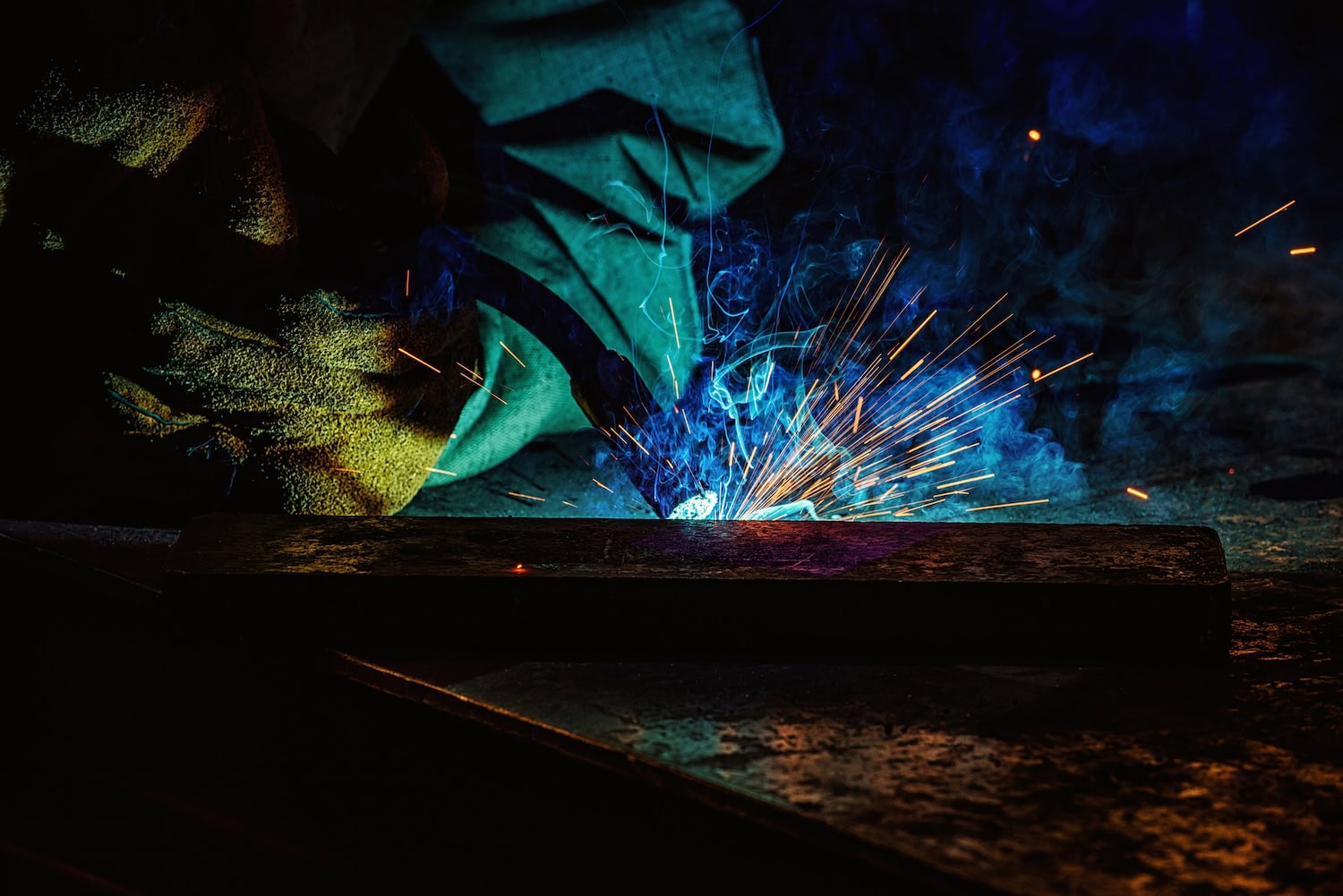
When a weld is not going your way, the first instinct is almost always to turn up the heat. The bead is not biting, so you crank the amperage. It seems logical enough, welding melts metal, and more heat melts more. The trouble is that heat is a balance, not a dial you just keep turning up. Past a certain point, more heat stops helping and starts causing problems of its own.
Why We Reach for More Heat
Most heat-related habits come from a real frustration. You are getting a bead that sits on top of the metal instead of fusing into it, or the weld looks cold and ropey. Turning up the machine does often fix a truly cold weld, so the instinct is not wrong on its own. The mistake is treating more heat as the answer to every problem, when plenty of weld issues have nothing to do with running too cold.
What Too Much Heat Actually Does
Push the heat too far and you trade one set of problems for a worse set.
- Burn-through: on thin material, too much heat blows right through the metal and leaves a hole instead of a weld.
- Warping: more heat means more expansion and contraction, which pulls flat parts out of shape.
- Weaker welds: excess heat slows the cooling rate, which can coarsen the grain structure in the joint and lower its toughness.
- Undercut and sag: a puddle that is too hot and fluid gets hard to control, melting away the edges of the joint or sagging out of position.
A weld that runs too hot can look fine and still be weaker than one run at the right setting.
When the Problem Is Not Heat at All
A lot of the time, the fix is technique, not amperage. Before you reach for the dial, check the things that quietly cause cold-looking welds:
- Travel speed: moving too fast leaves a thin, weak bead. Slowing down adds fusion without adding heat.
- Joint prep and fit-up: gaps, rust, oil, or mill scale keep a weld from fusing no matter how hot you run.
- Gun angle and technique: a bad angle or poor puddle control leaves a bead that looks cold even when the settings are fine.
- Wire or electrode size: the wrong diameter for the job changes how the weld behaves more than a few extra amps will.
Chasing those first often solves the problem that made you want more heat in the first place.
When You Do Need More Heat
None of this means heat is the enemy. Sometimes a weld really is running too cold, and the answer is more energy in the joint. Thicker material needs more heat to get full penetration. A weld that shows lack of fusion or sits on top of the base metal may genuinely need more amperage, a higher voltage, or a slower travel speed. The point is not to avoid heat. It is to make sure heat is actually the problem before you turn it up.
Heat Is a Balance
Good welding comes from balancing three things: amperage, voltage, and travel speed. Change one and you change the whole weld. More amps put more energy in the joint, faster travel spreads that energy out, and voltage shapes the arc and bead. Dialing in a weld means finding the setting where those three work together for the metal in front of you, not simply pushing one of them as high as it will go.
Match the Heat to the Job
The next time a weld is not cooperating, resist the urge to just turn it up. Look at your travel speed, your prep, and your technique first, and match your heat to the thickness in front of you. Often, the fix was never about more heat at all.”
Join Our Newsletter
Sign up for our newsletter to receive specials offers, product updates, and more!
Recent Posts
-
How to Prevent Metal Warping While Welding
August 14, 2026
-
What’s the Difference Between Pulsed MIG and Standard MIG?
August 10, 2026
-
Essential Welding Terms Every Beginner Should Know
August 4, 2026